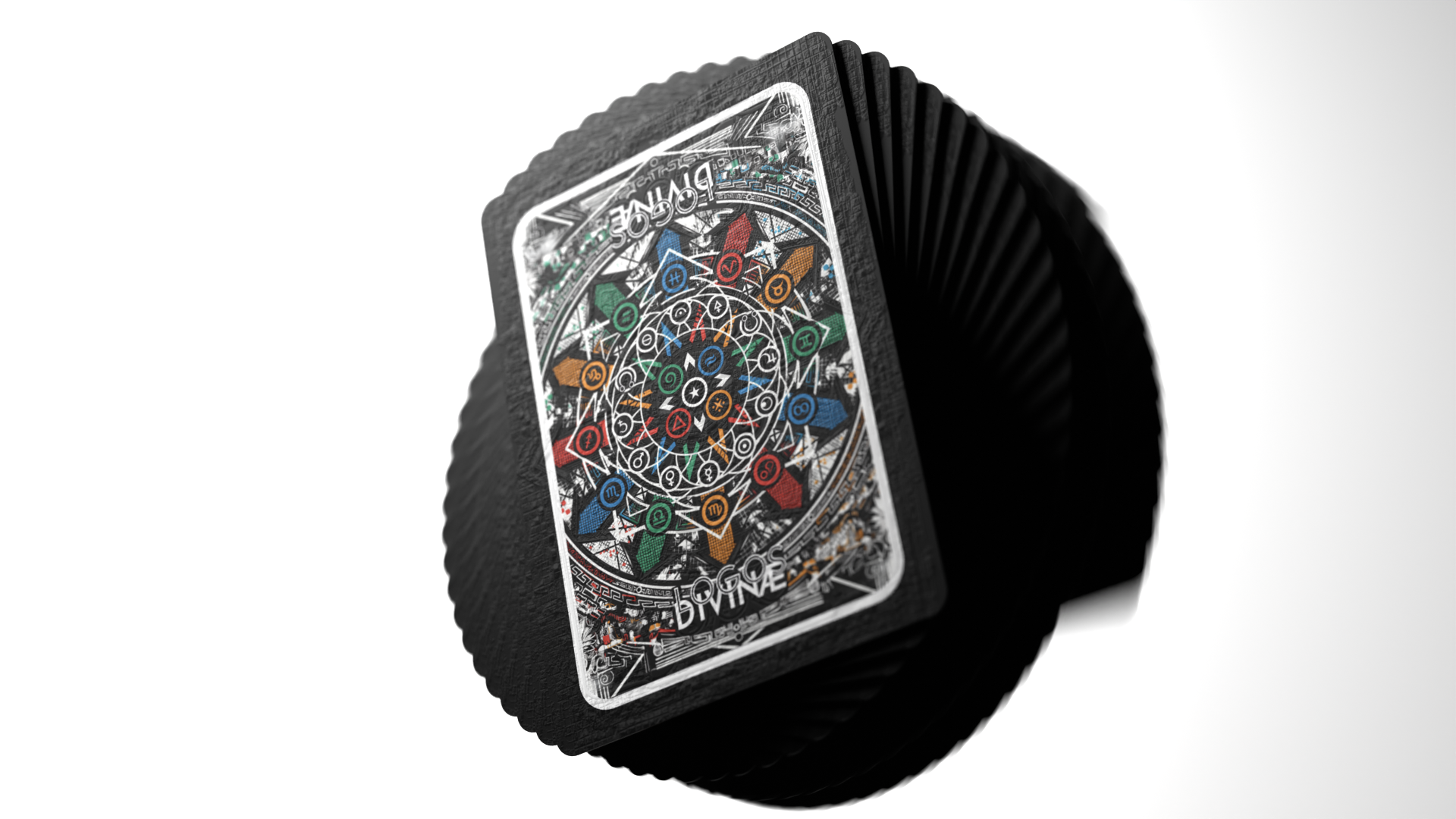
Deck rendered in Blender.
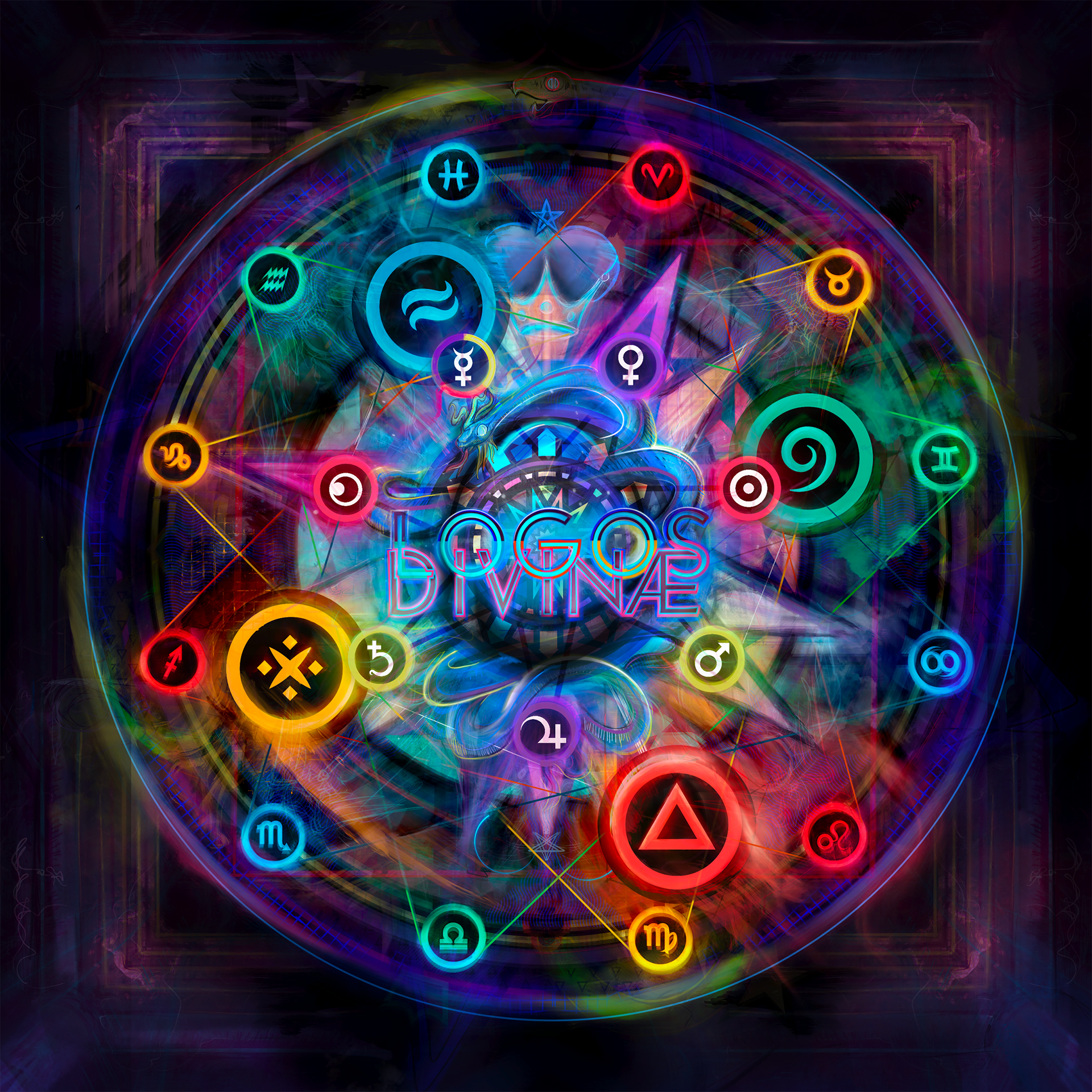
In LOGOS DIVINÆ, I deliberately introduce anachronistic visual shorthands—Arabic numerals, alchemical symbols of the Middle Ages, French-suited pip symbols—retrojected onto ancient cosmological systems with the intention of making them both readable and playable simultaneously. While the game’s concept is rooted in archaeological and sacred sources, the visual languages of antiquity have been modified here to bring clarity and clean reduction to game and tarot systems.
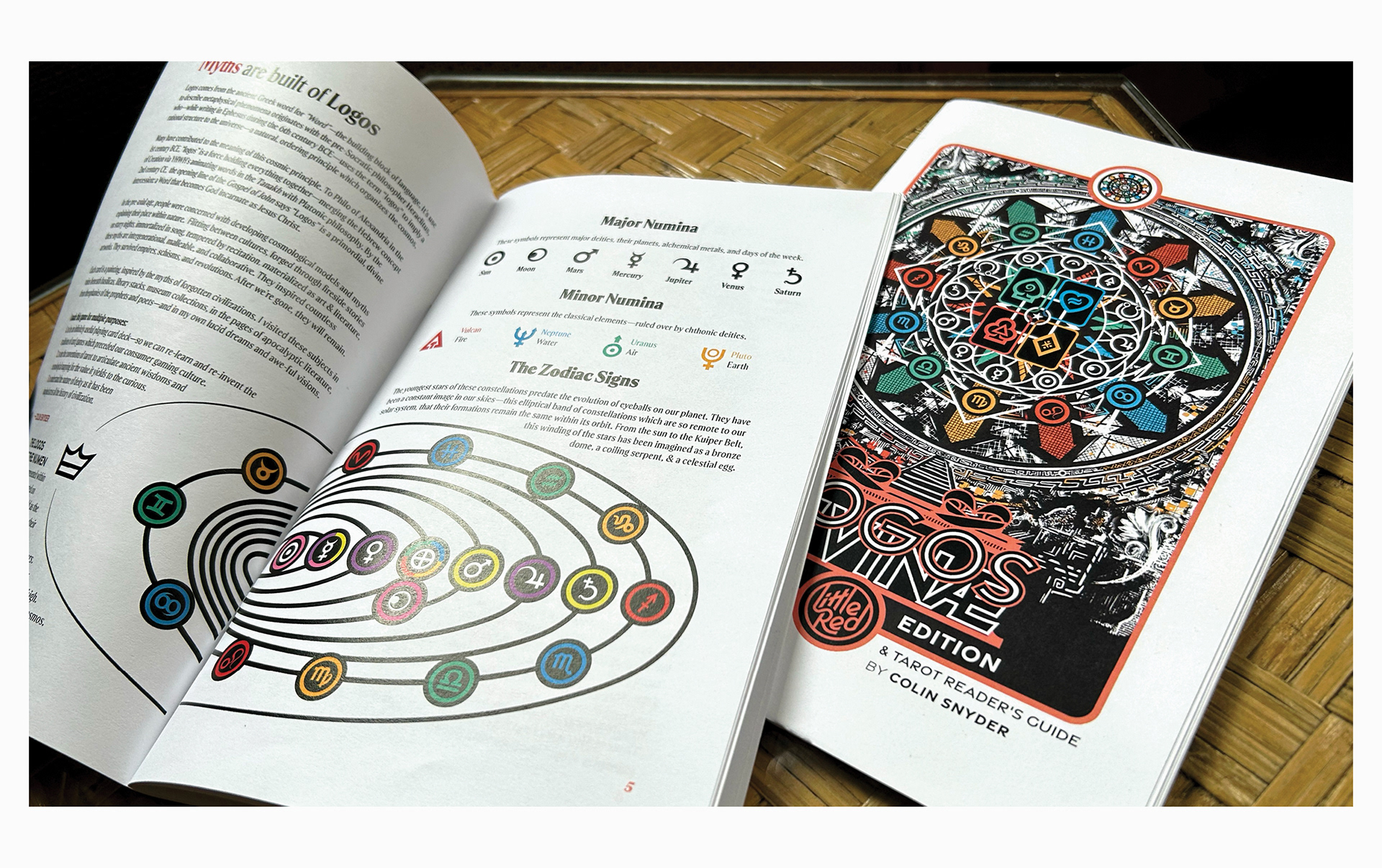
Excerpt from manual.
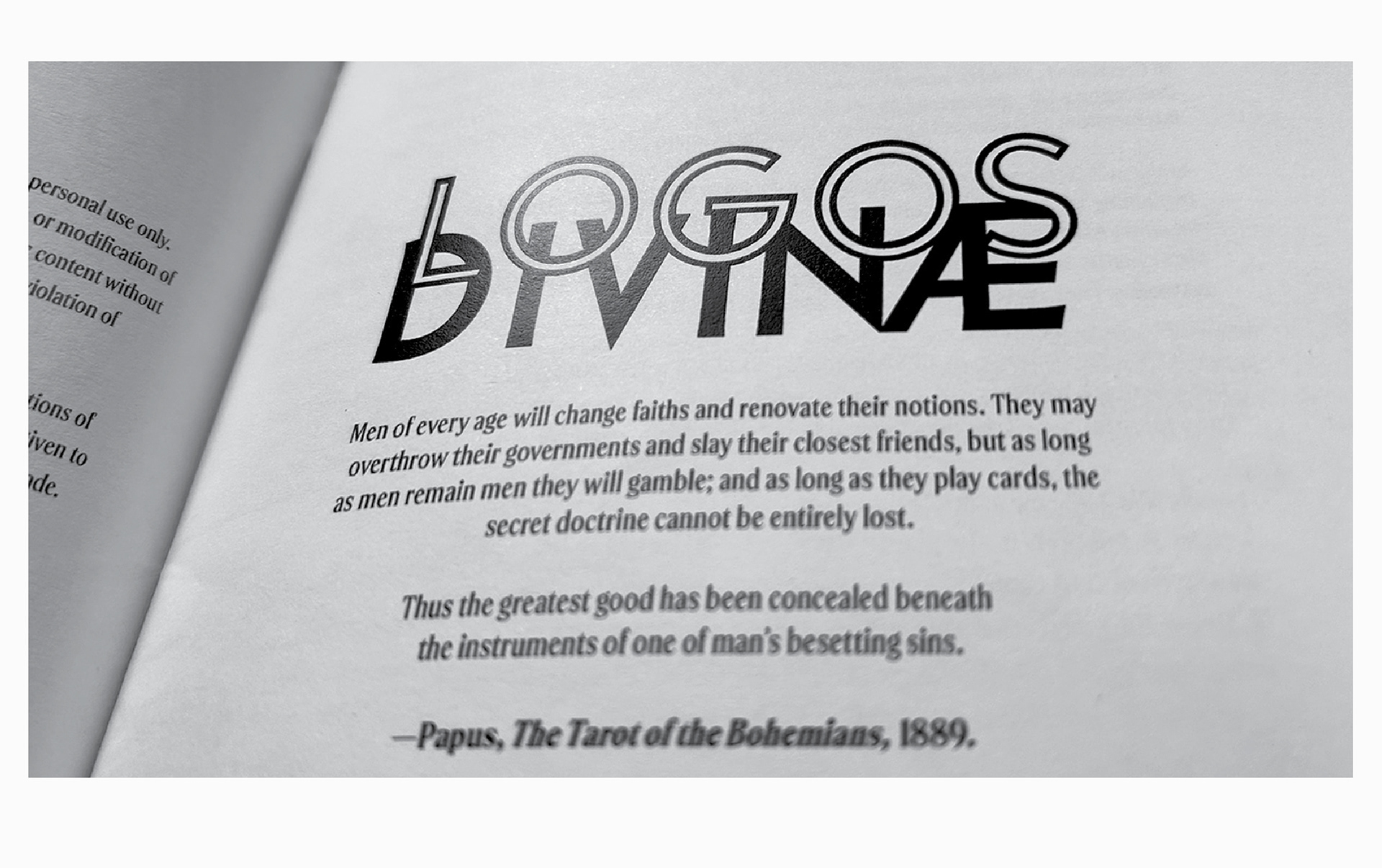
Title page.
To build a coherent visual system, I borrowed ancient philosophical and theological concepts, now buoyed by later semiotic inventions: alchemical metals function as Numen—the Roman "animism" underpinning the writings of Cicero—function here as a secondary rank to facilitate melds, tricks, and as a visual aid for tarot reading.
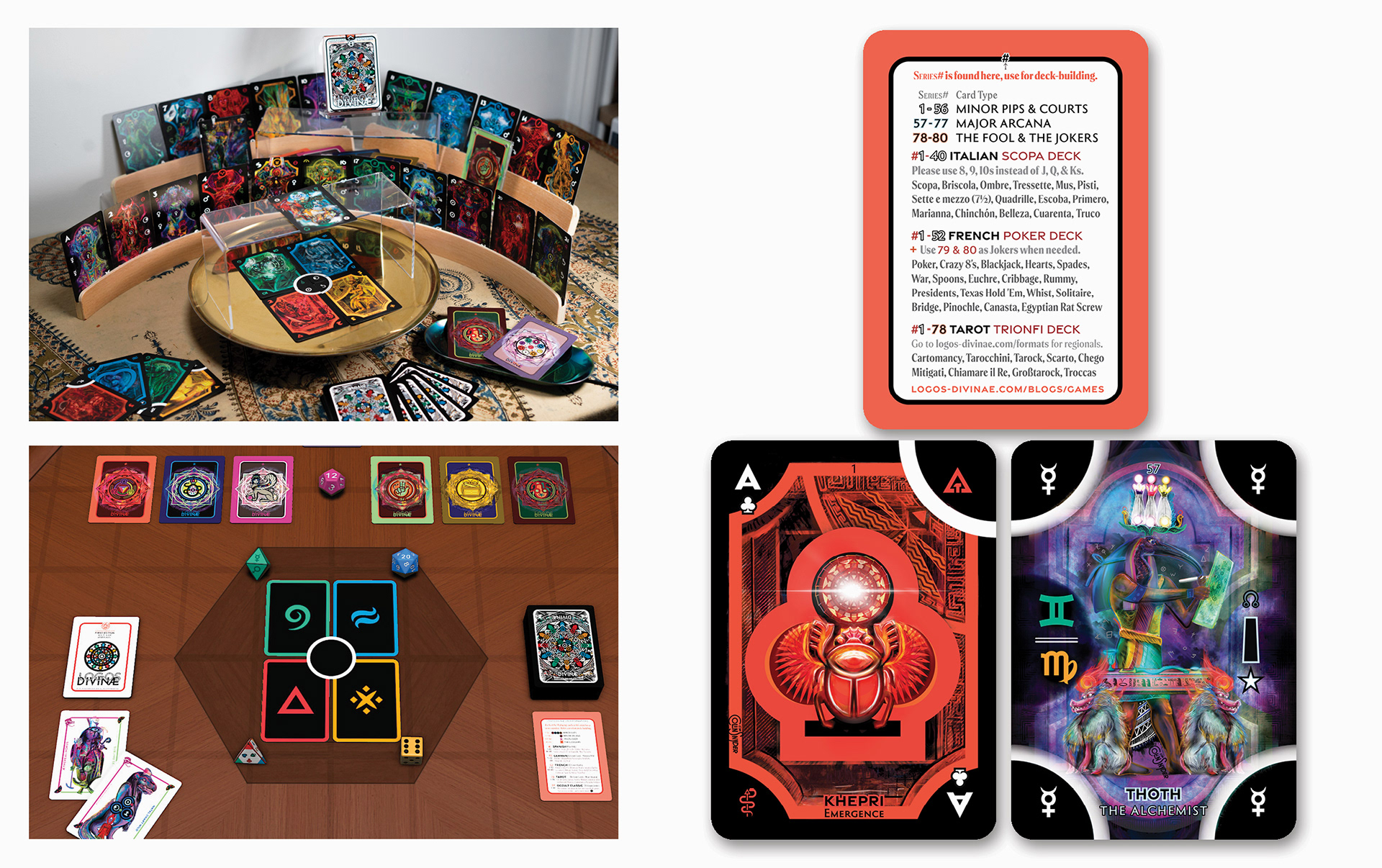
Pictured from Top Left-Bottom Right: Full set of the Occult Classic (First Edition Deck) Deck format instructional card, a Tabletop Simulator digital version of the game, the Ace of Clubs (Khepri) and the 1st Arcana Key (Thoth).
I spent a lifetime in research for this project, acquiring information about lesser known aspects of mythology, with special attention to the syncretic time following the conquests of Alexander the Great and the Edict of Thessalonica in 390 CE., which effectively ended the ancient polytheism of the Mediterranean as the Roman Empire became Christianized.
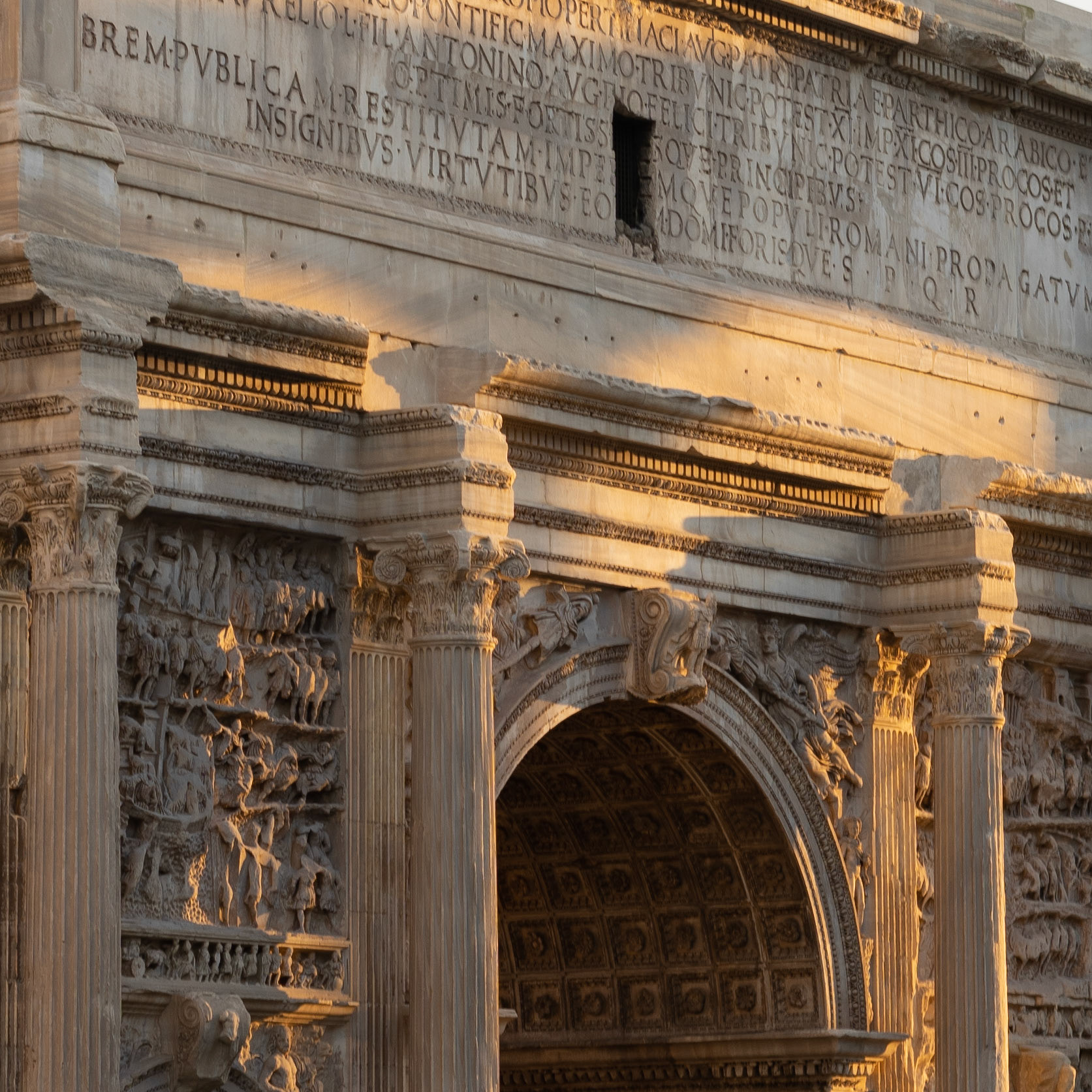
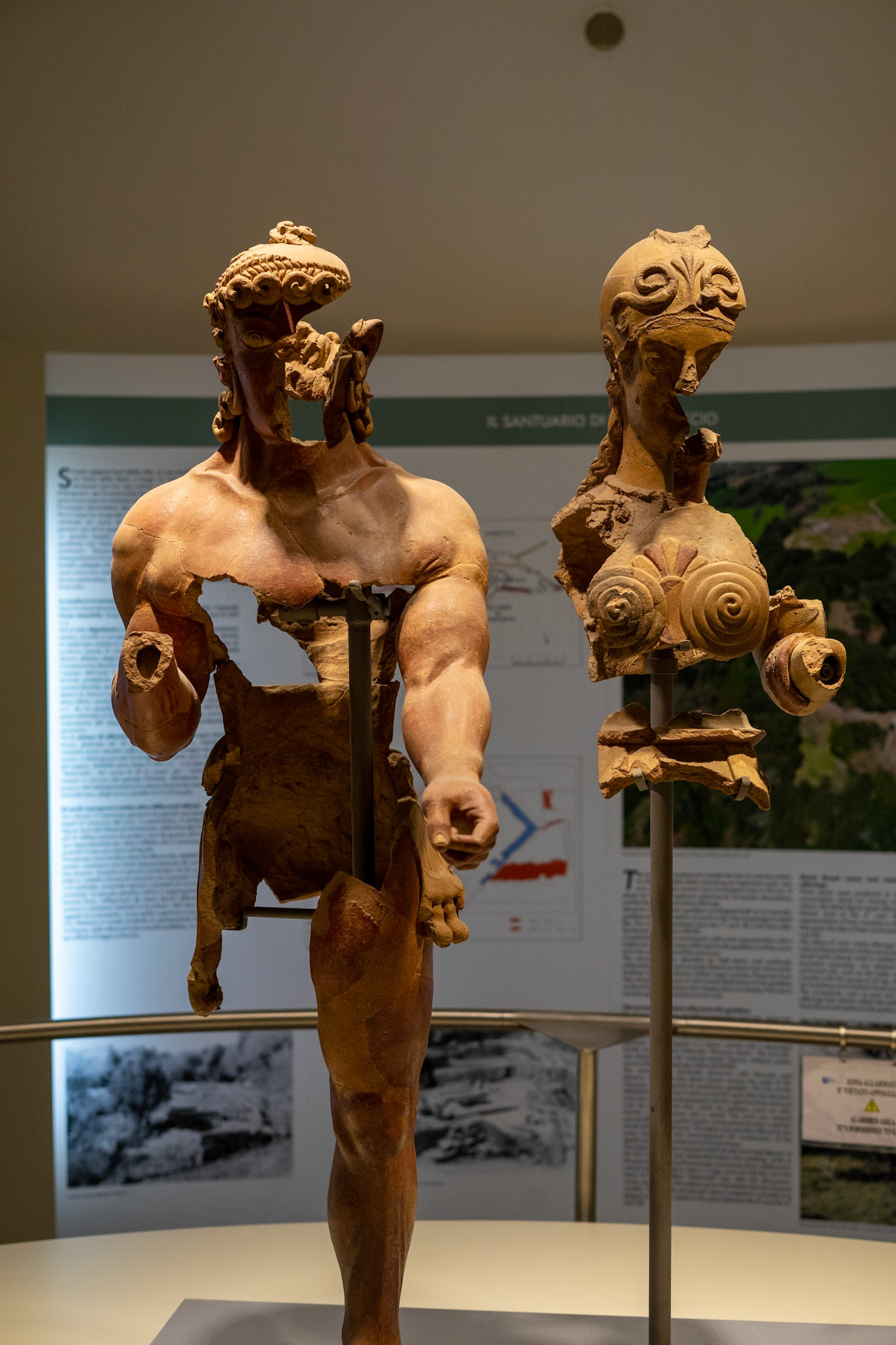
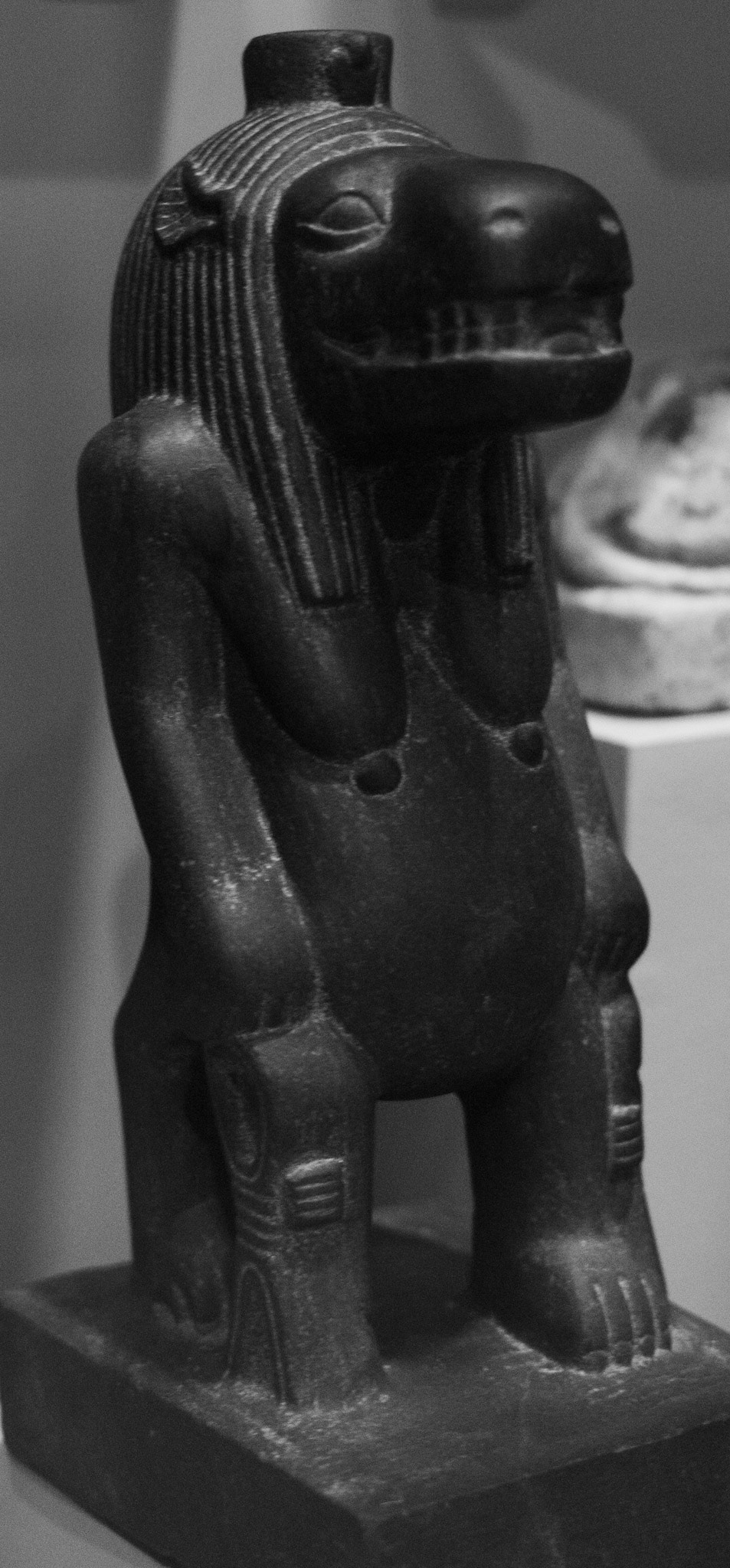
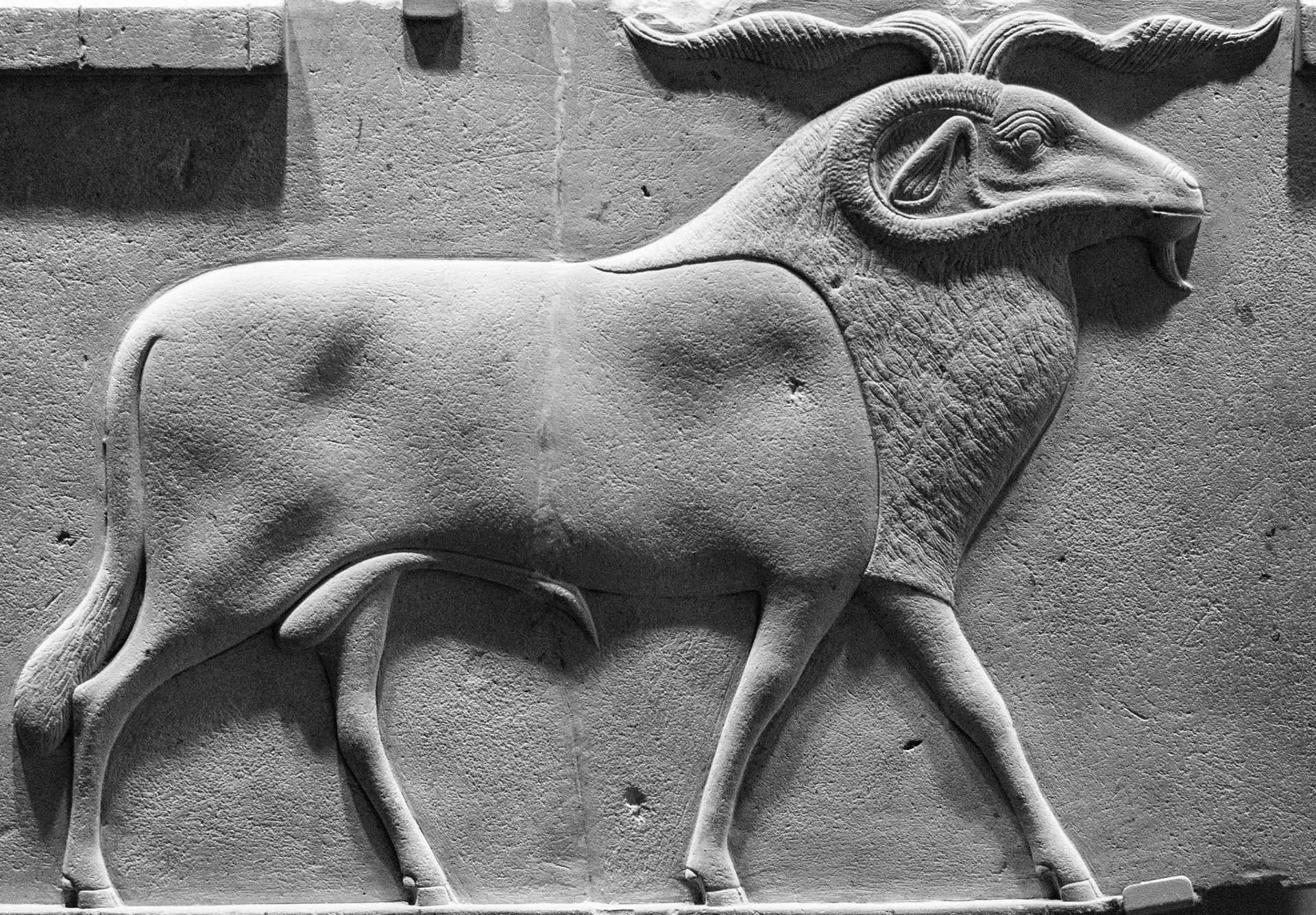
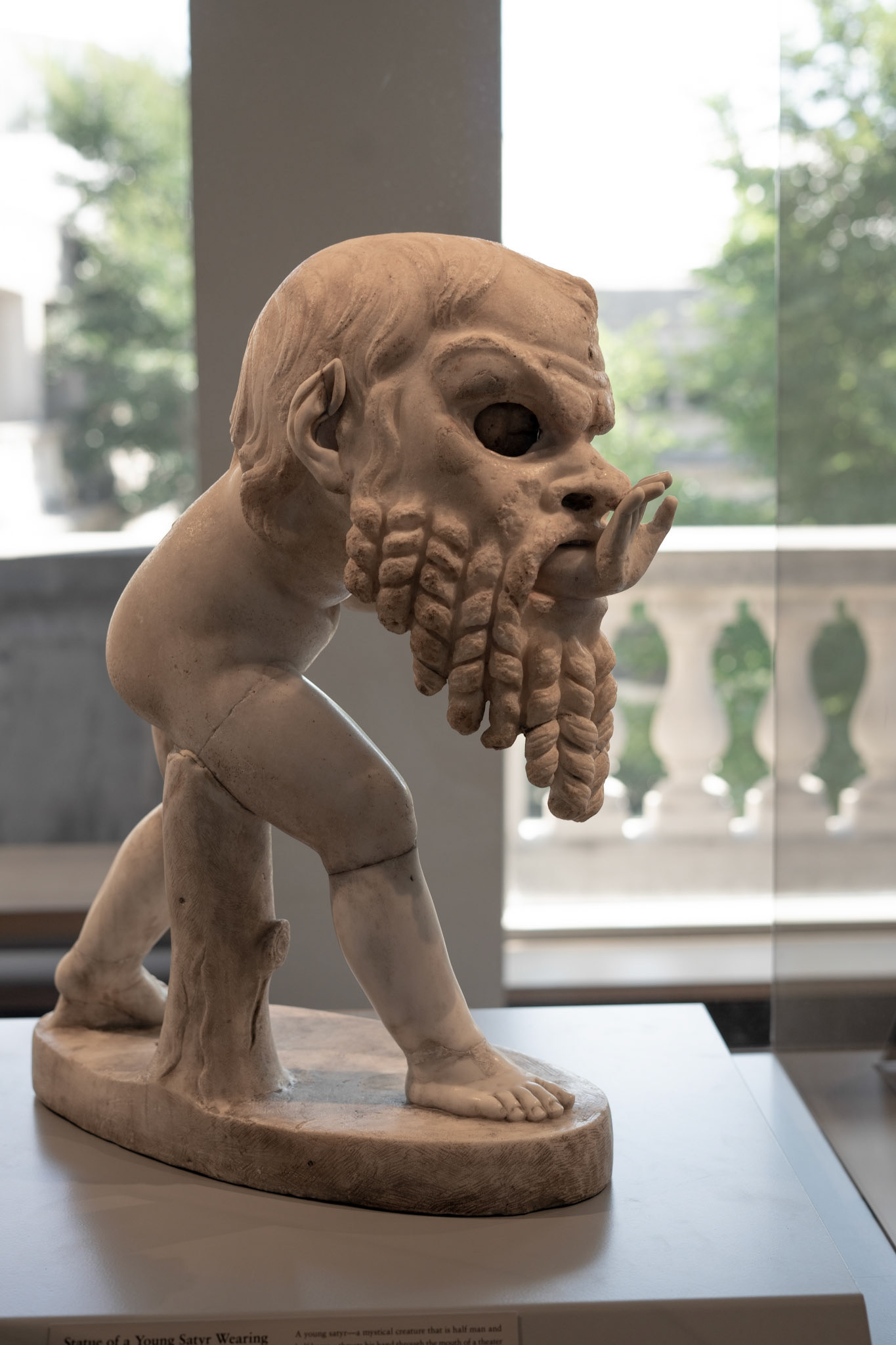
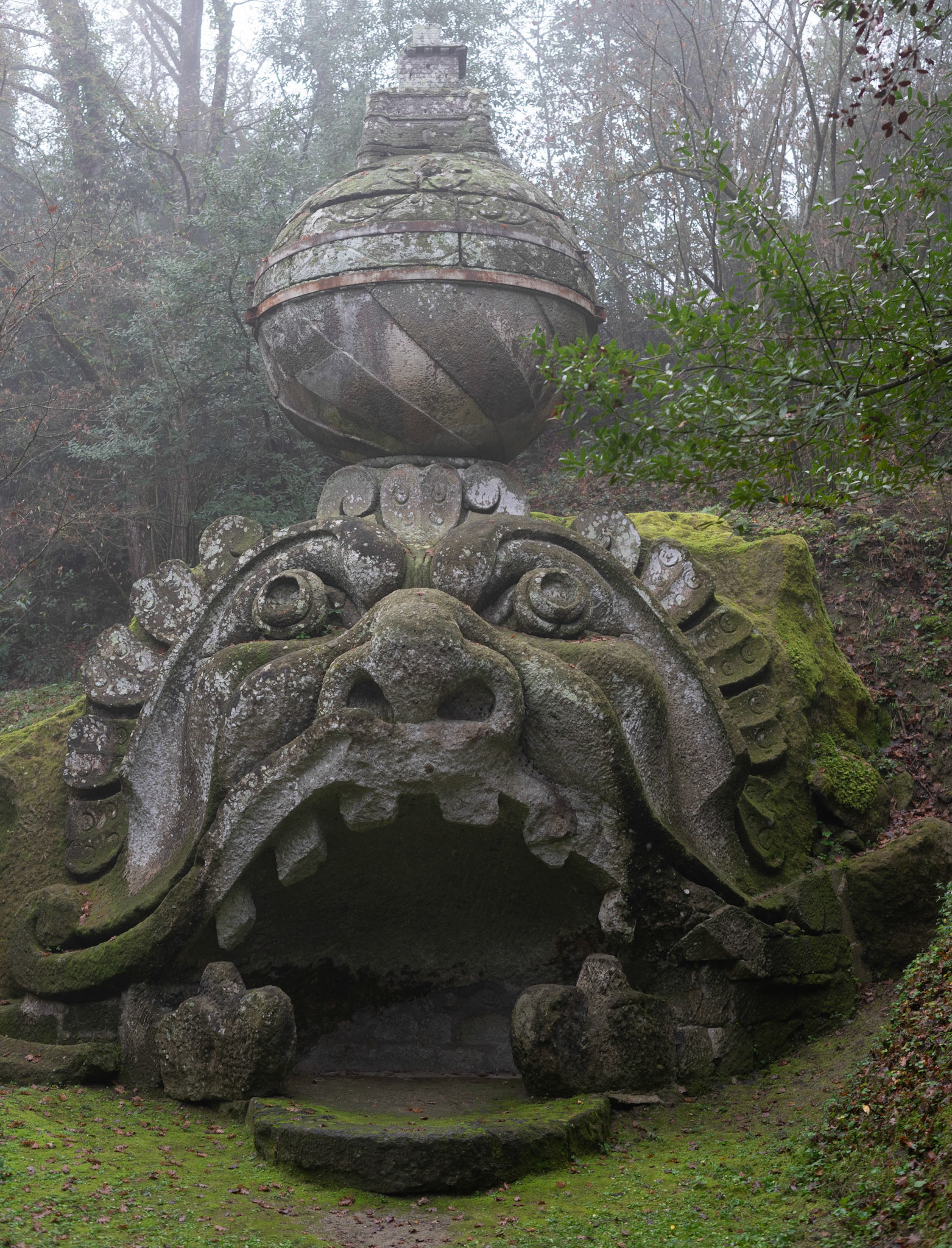
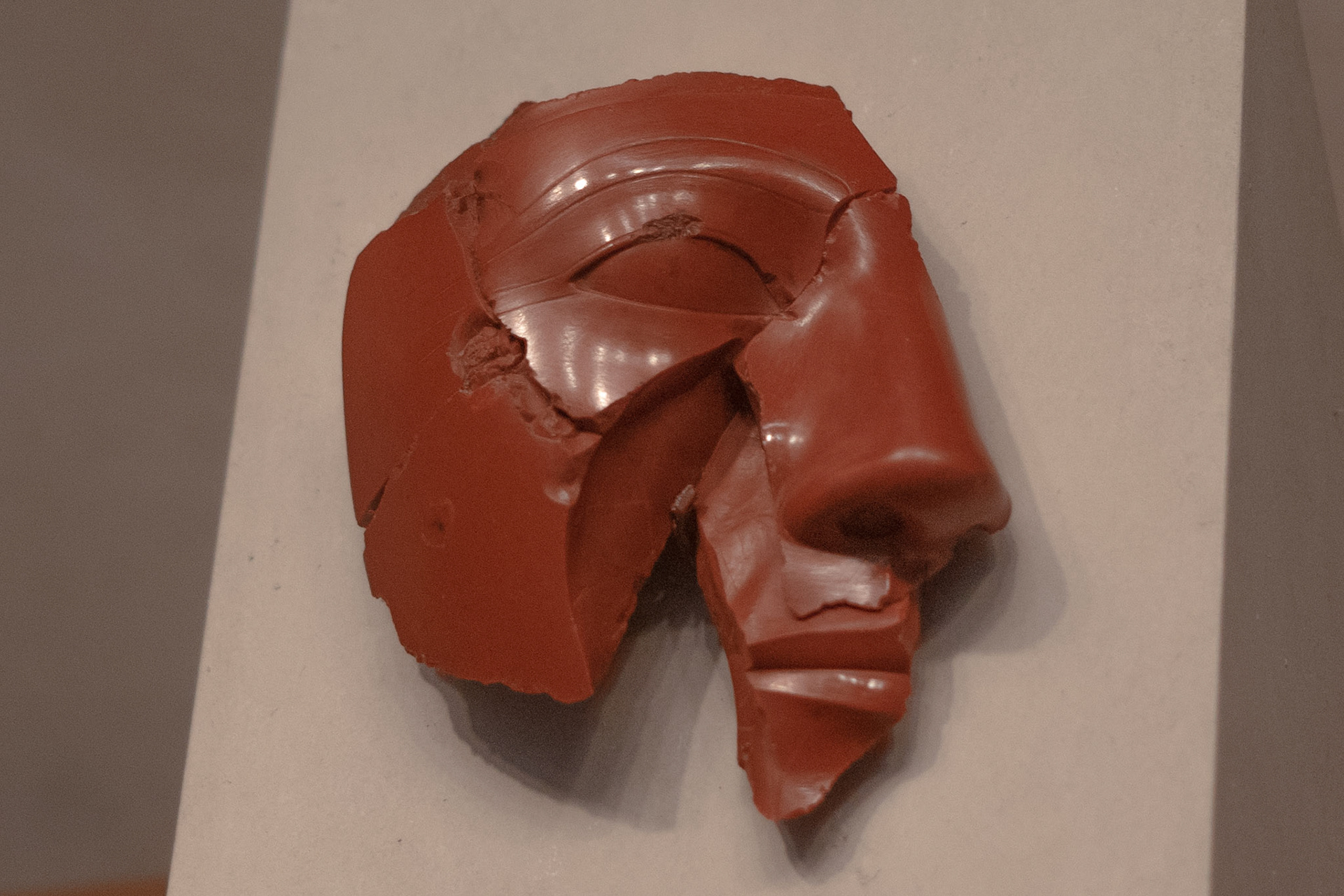
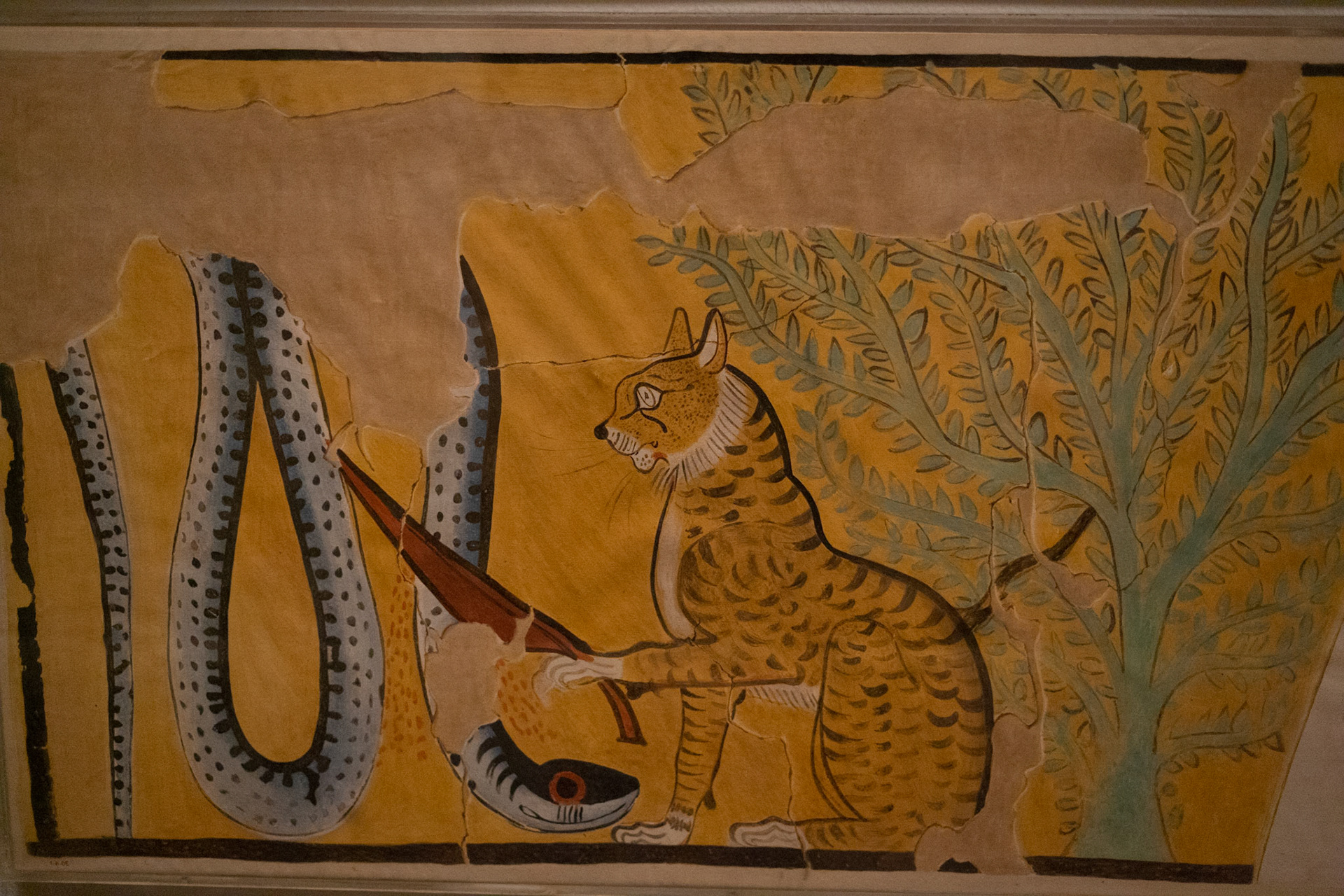
I travelled to ruins, libraries, and museums around the world to find source material.
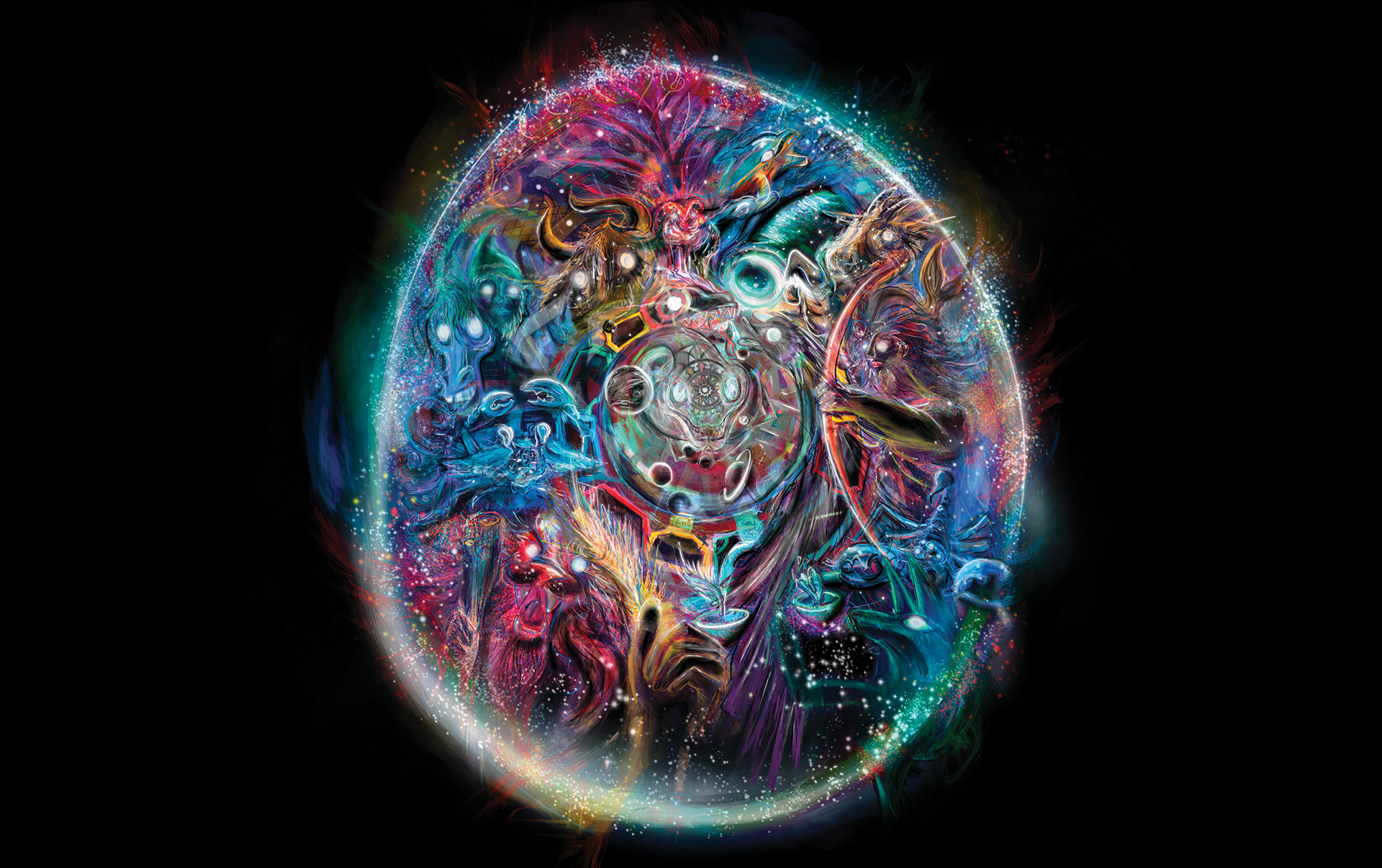
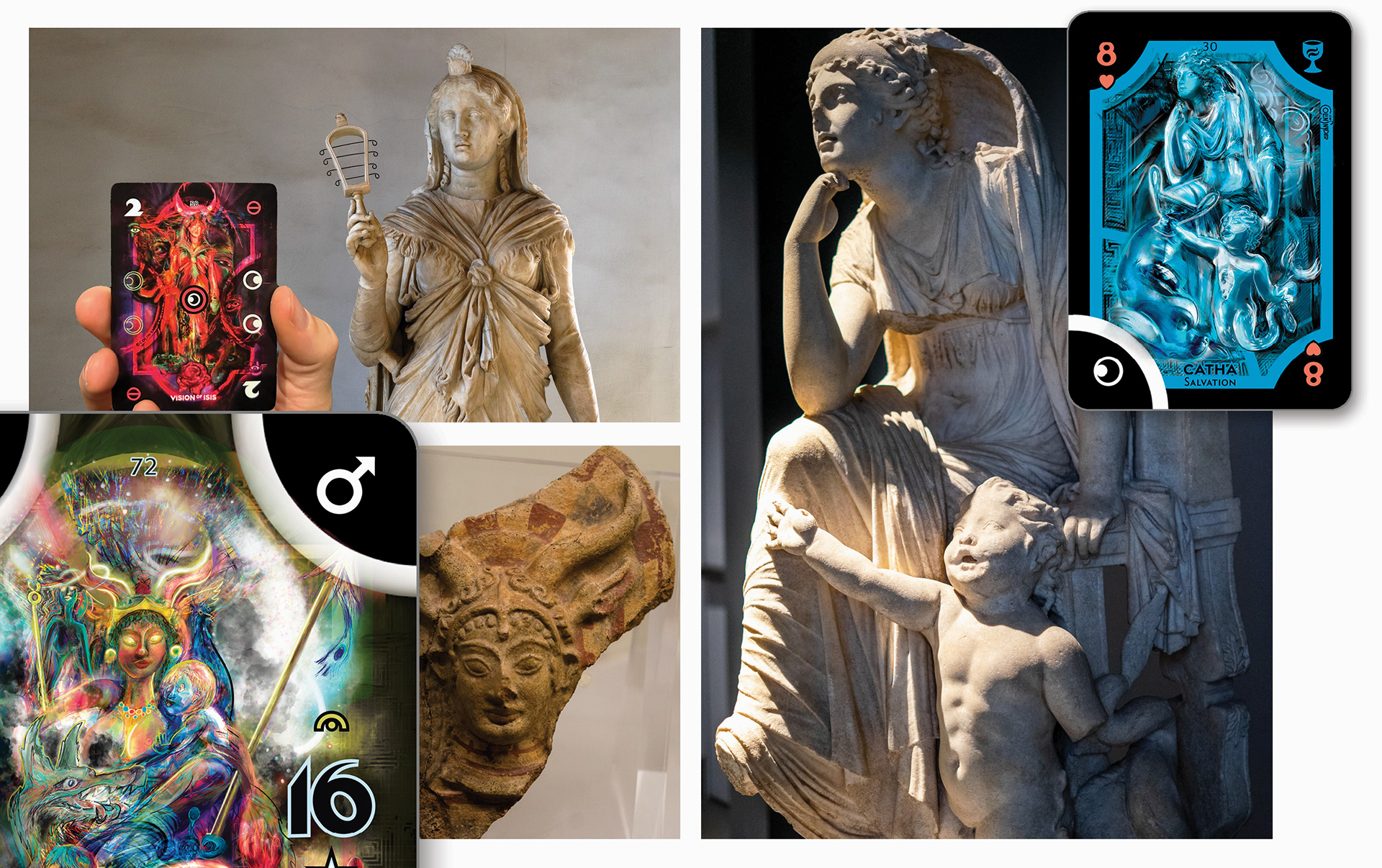
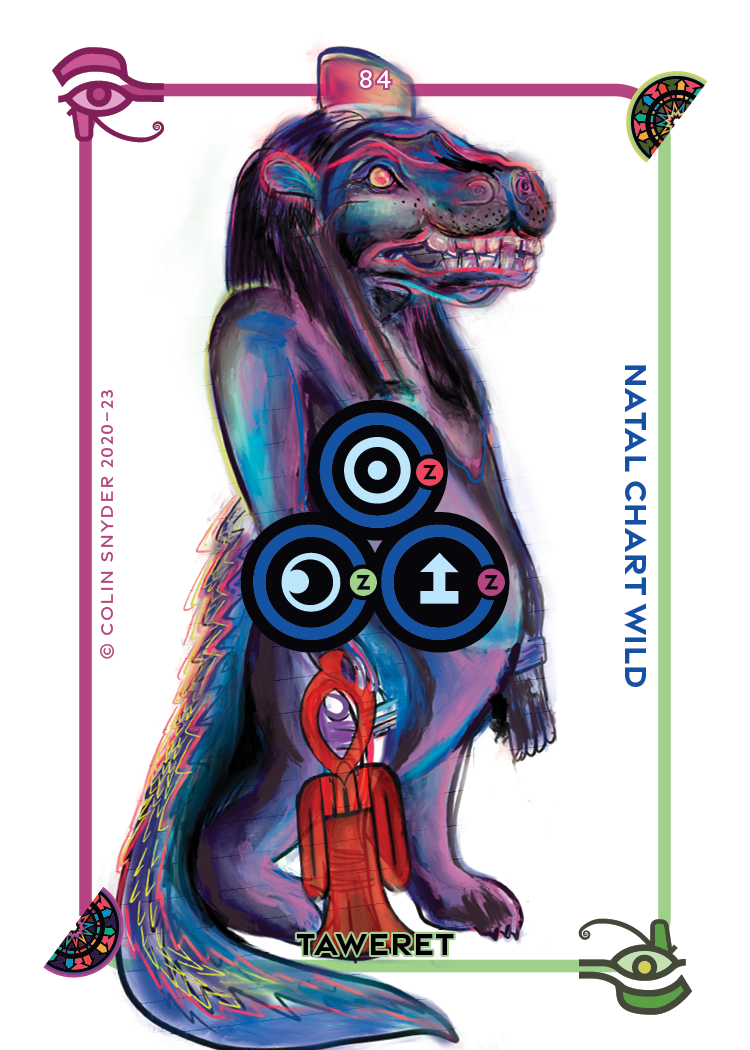
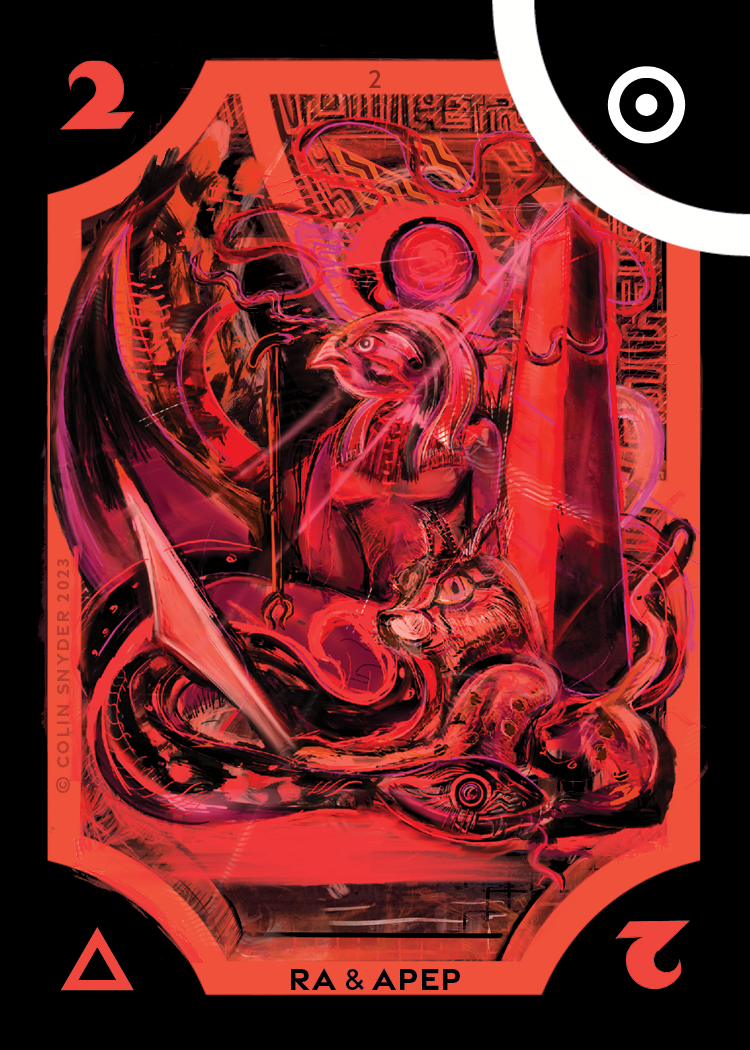
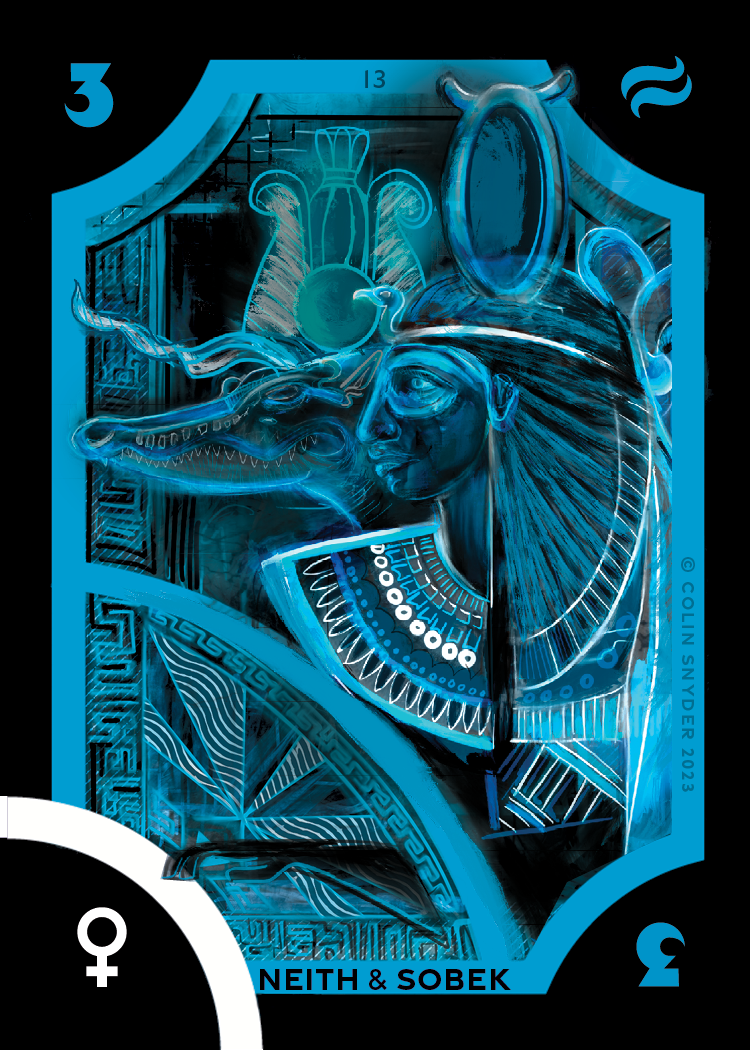
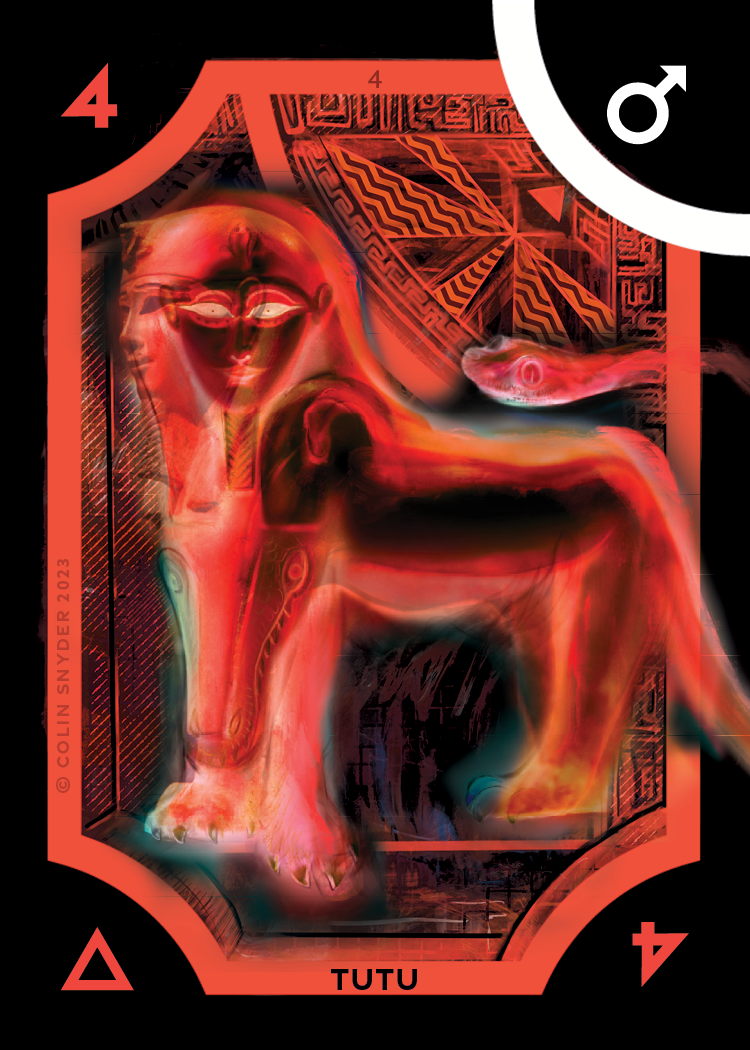
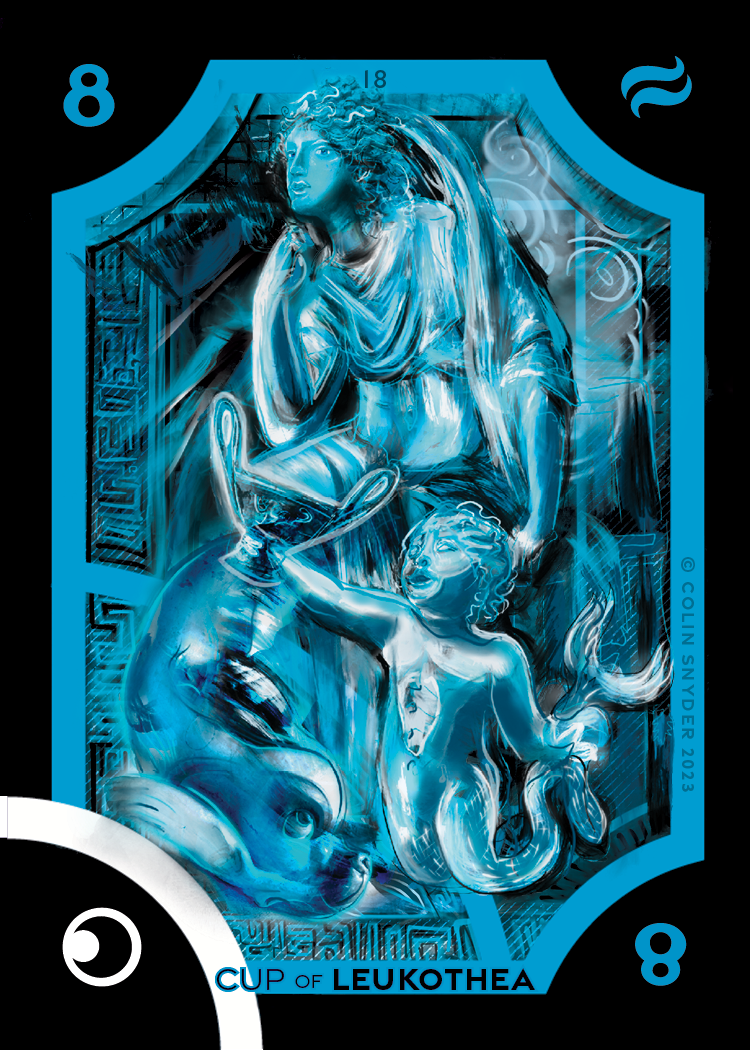
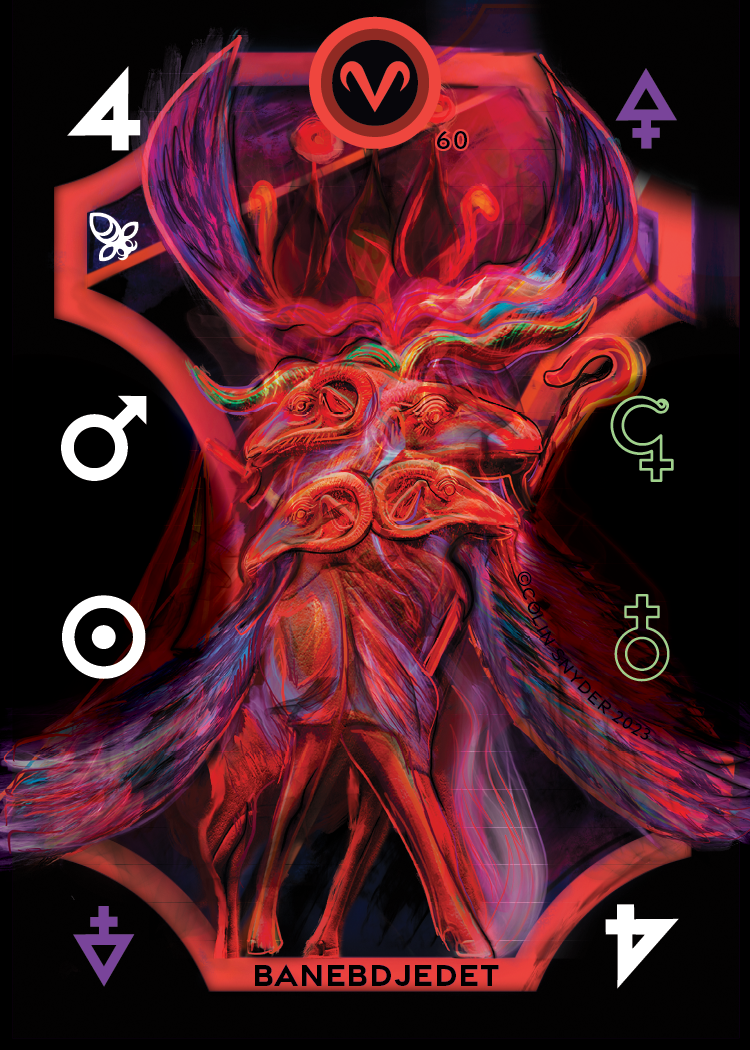
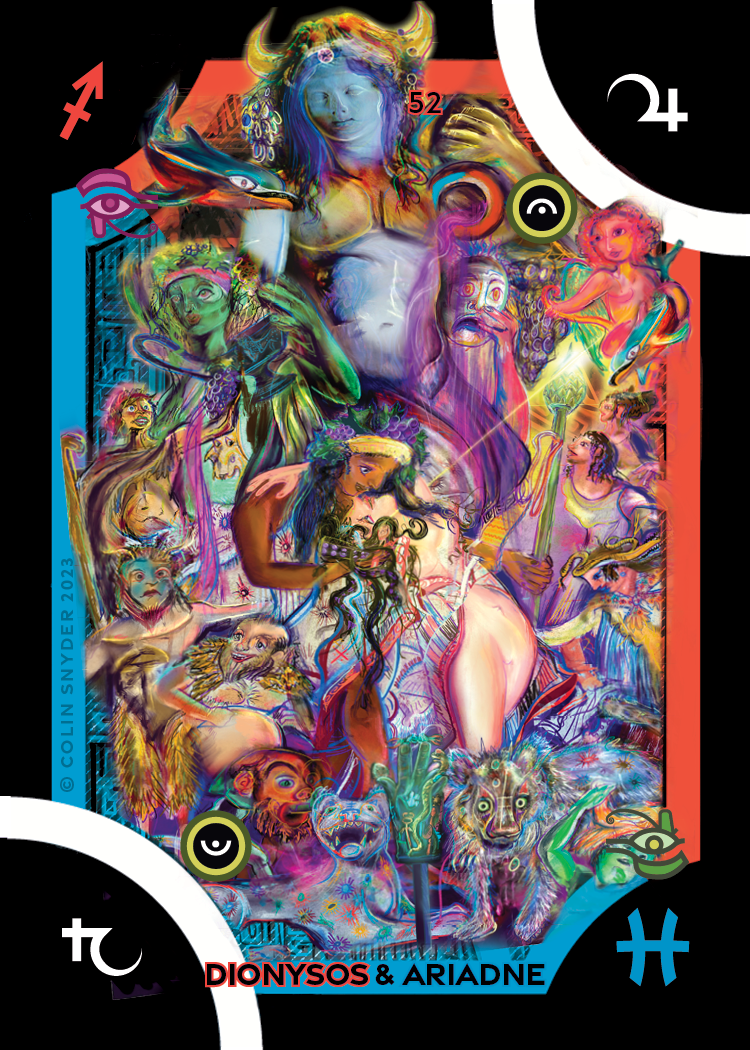
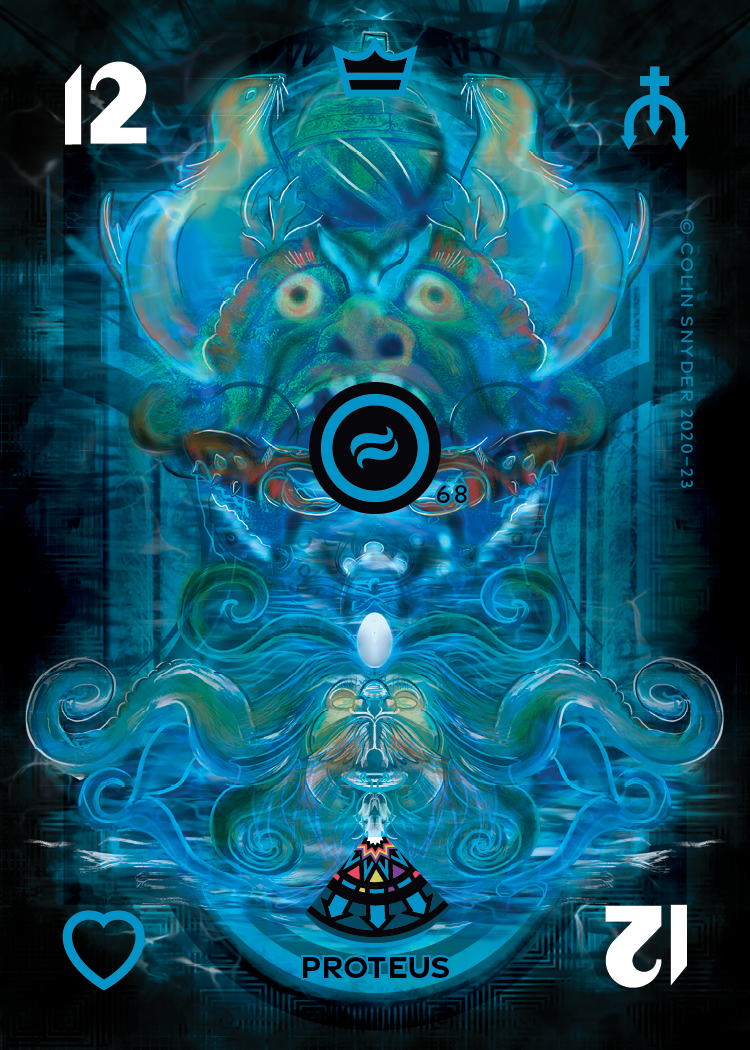
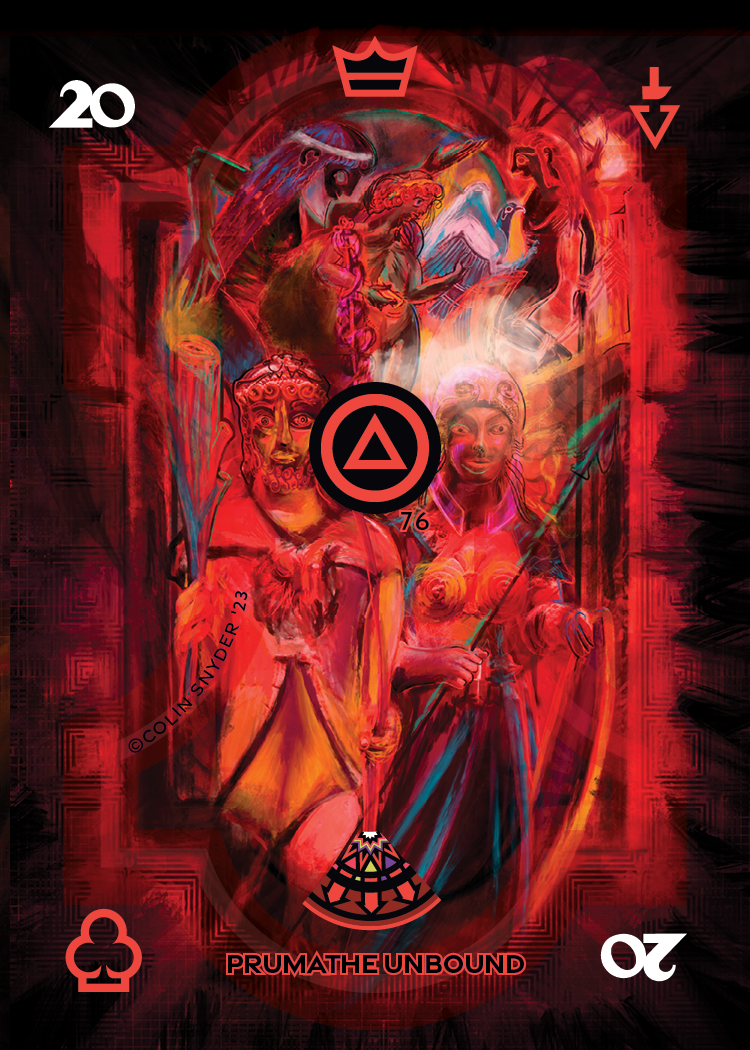
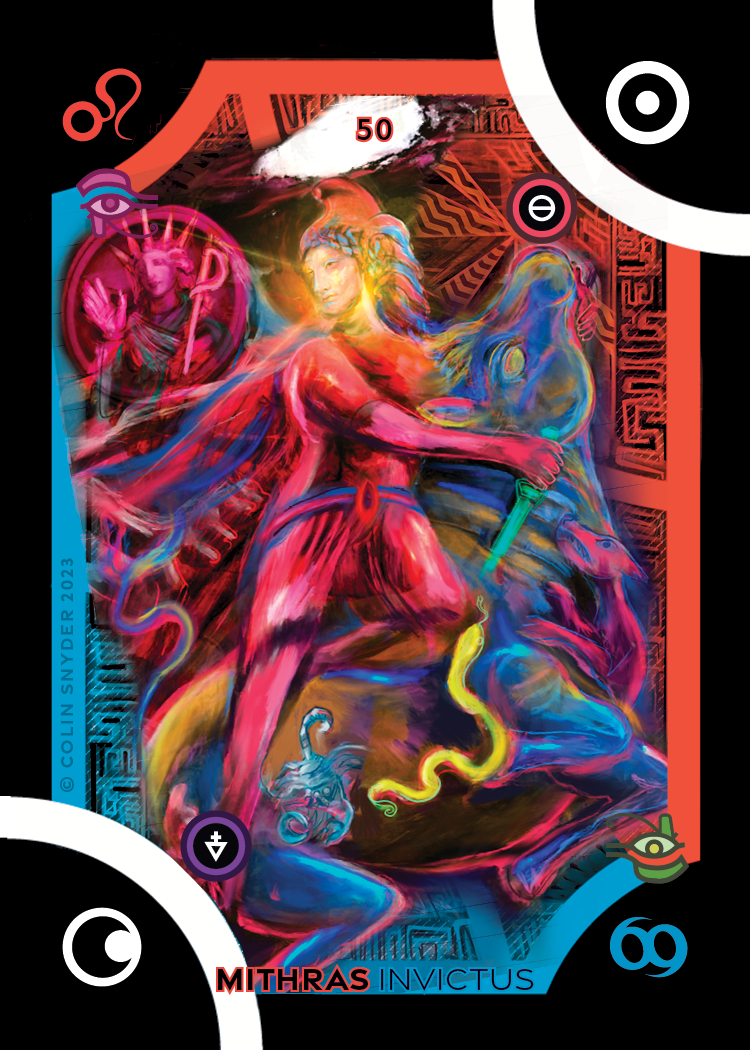
Each card is a fully illustrated homage to an ancient mythological subject, from Mediterranean and Mesopotamian traditions, across 5,000 years of history. Each is mixed media, where photographs, drawings, paintings, and digital compositions were employed to create a colorful and historically faithful renditions of these subjects.
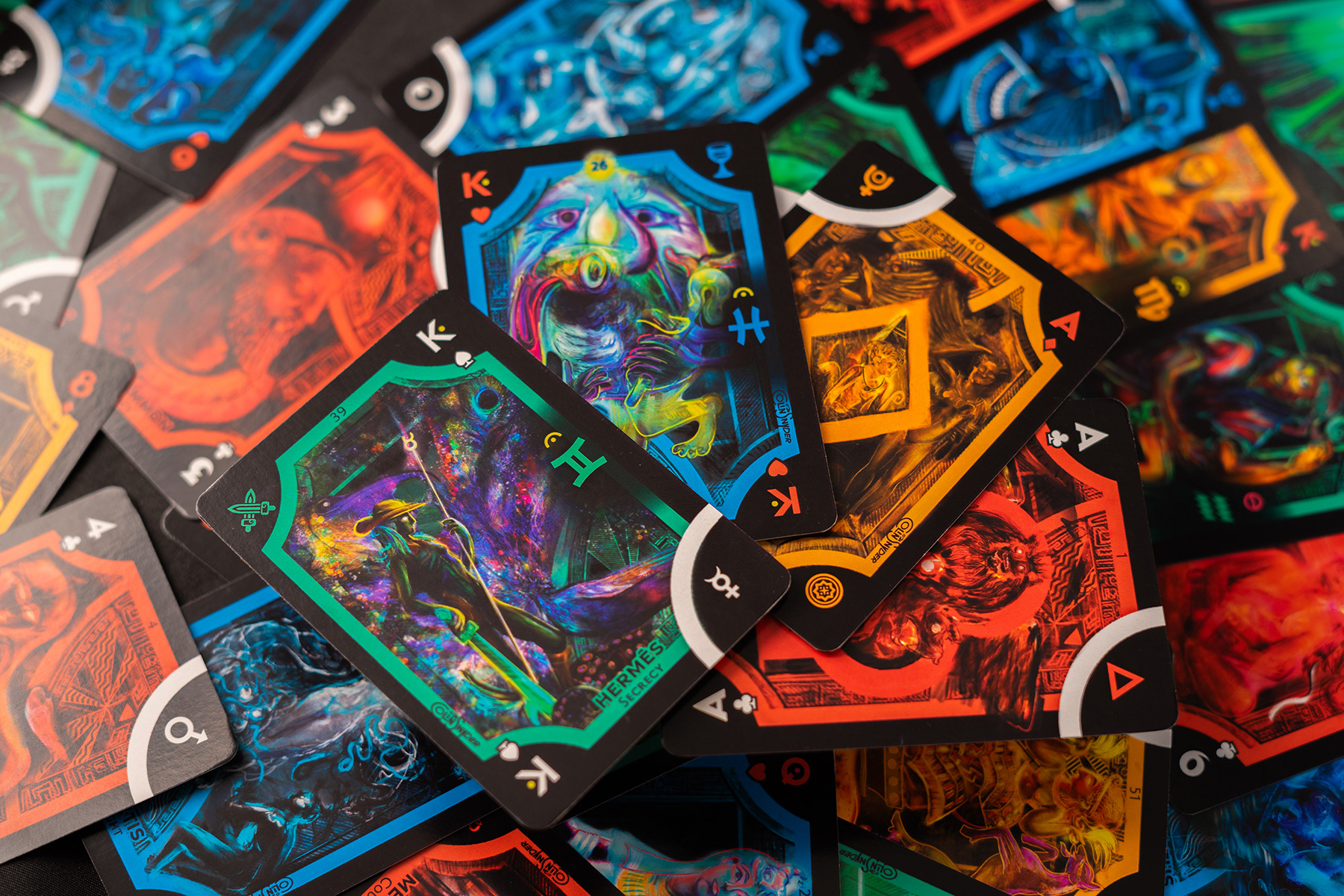
Prototypes of the second edition.
The elemental color scheme—air = green, earth = yellow, fire = red, water = blue—also departs from classical conventions, prioritizing symbolic clarity and intuitive differentiation for players. These anachronisms collapse complex metaphysical ideas into Emoji-level readability.
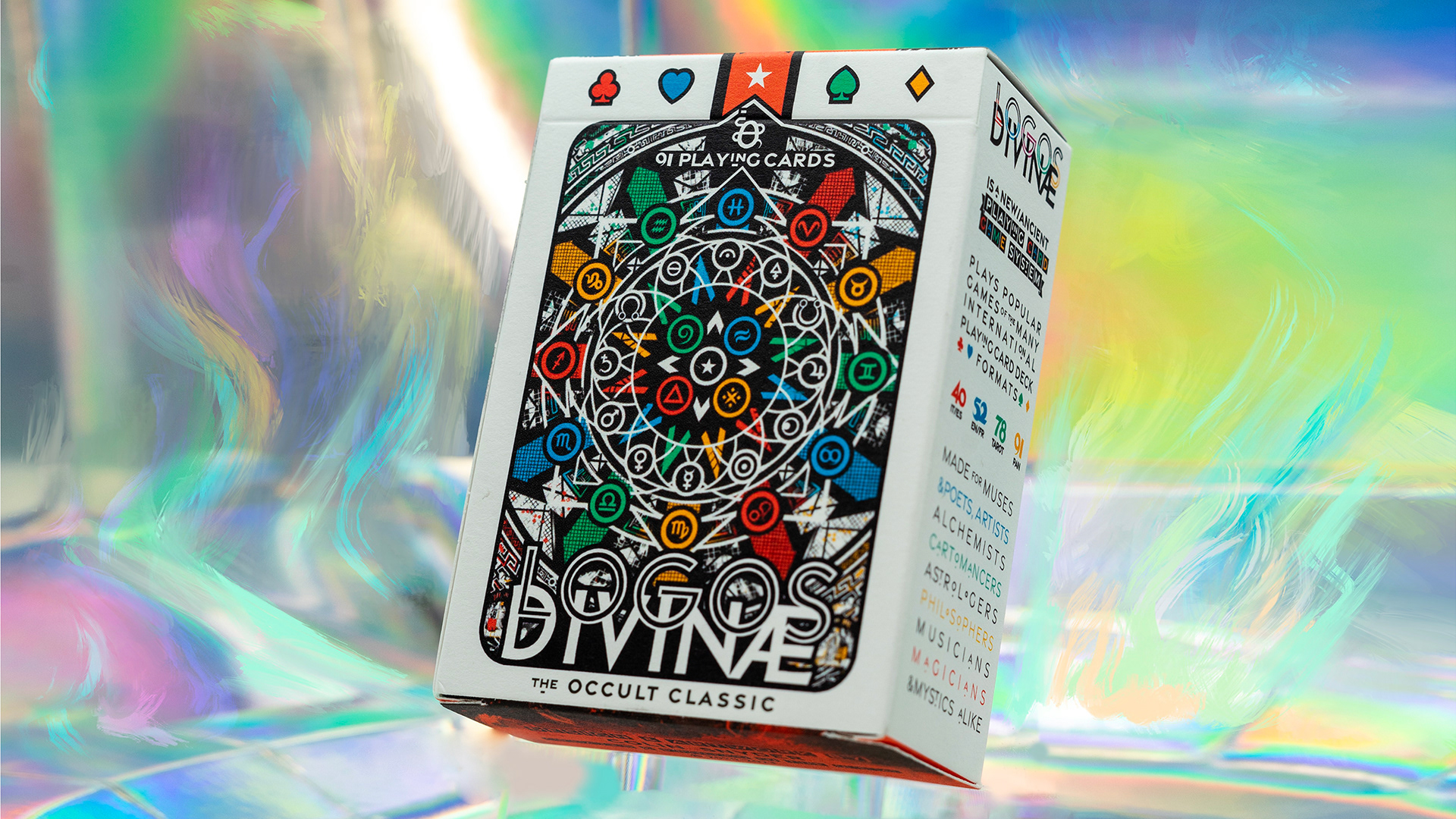
Product photography shot in-house at Little Red. The iridescent background comes courtesy of some paper plates I found at the dollar store.
The “LOGOS” of the title has a dual meaning—as a reflection of ancient philosophical theology, found in the writings of Heraclitus, Philo, St. John, and the ancient philosophers, and as a game system built on matching "logos" —a colloquial term for icons and symbols.
This extrapolates and expands upon the cosmology embedded in tarot since the 18th century to create an unforgettable gameplay experience.
This extrapolates and expands upon the cosmology embedded in tarot since the 18th century to create an unforgettable gameplay experience.
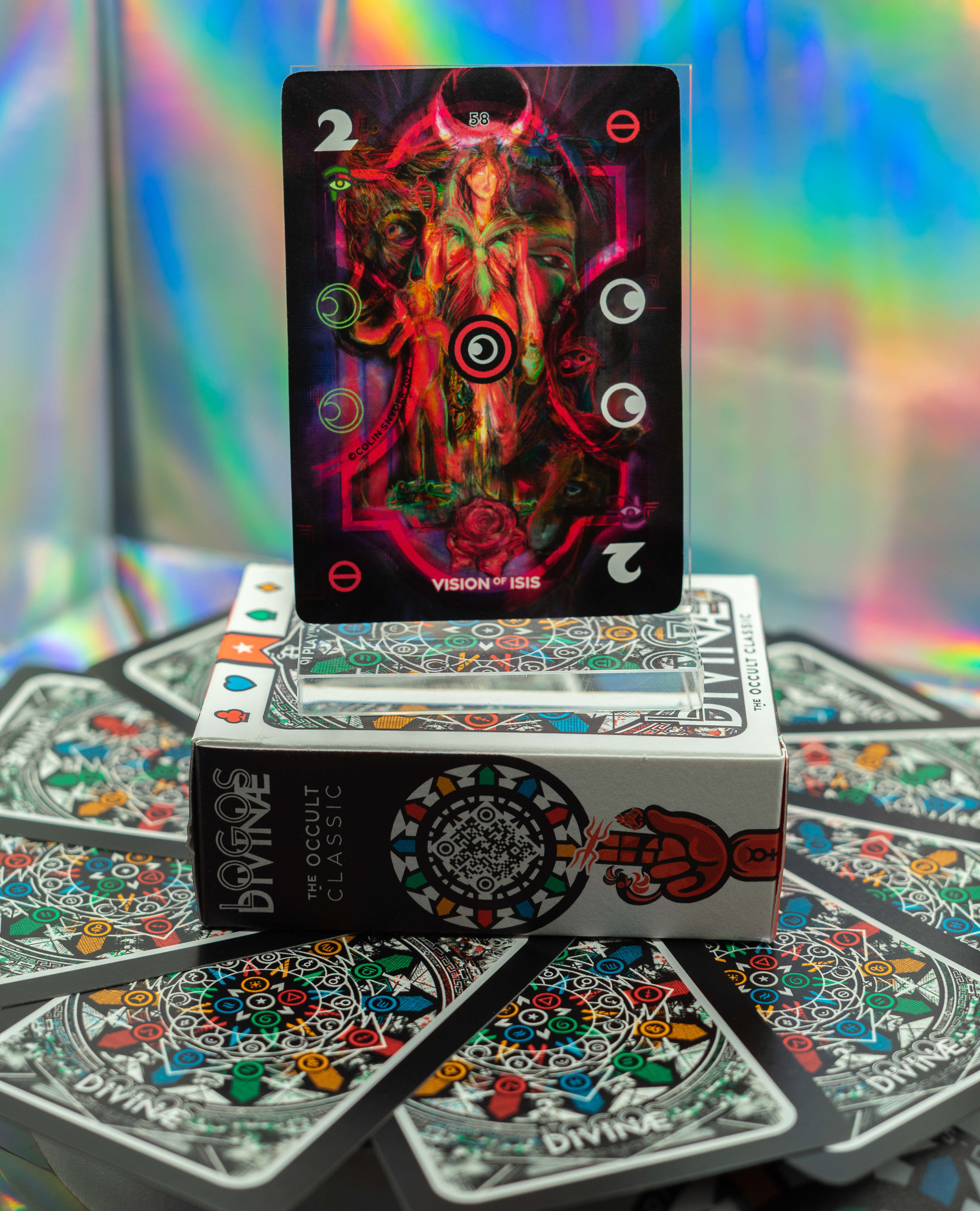
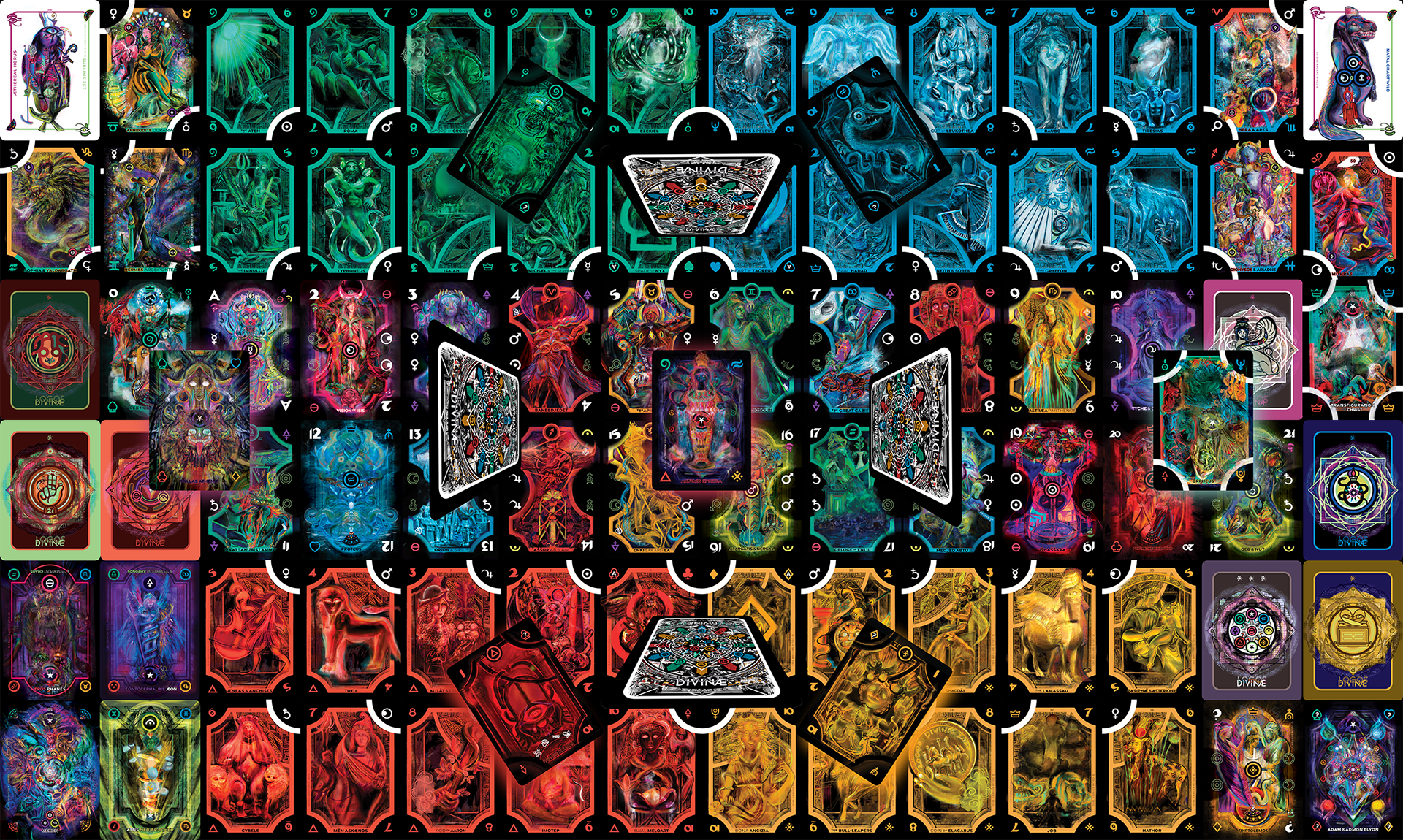
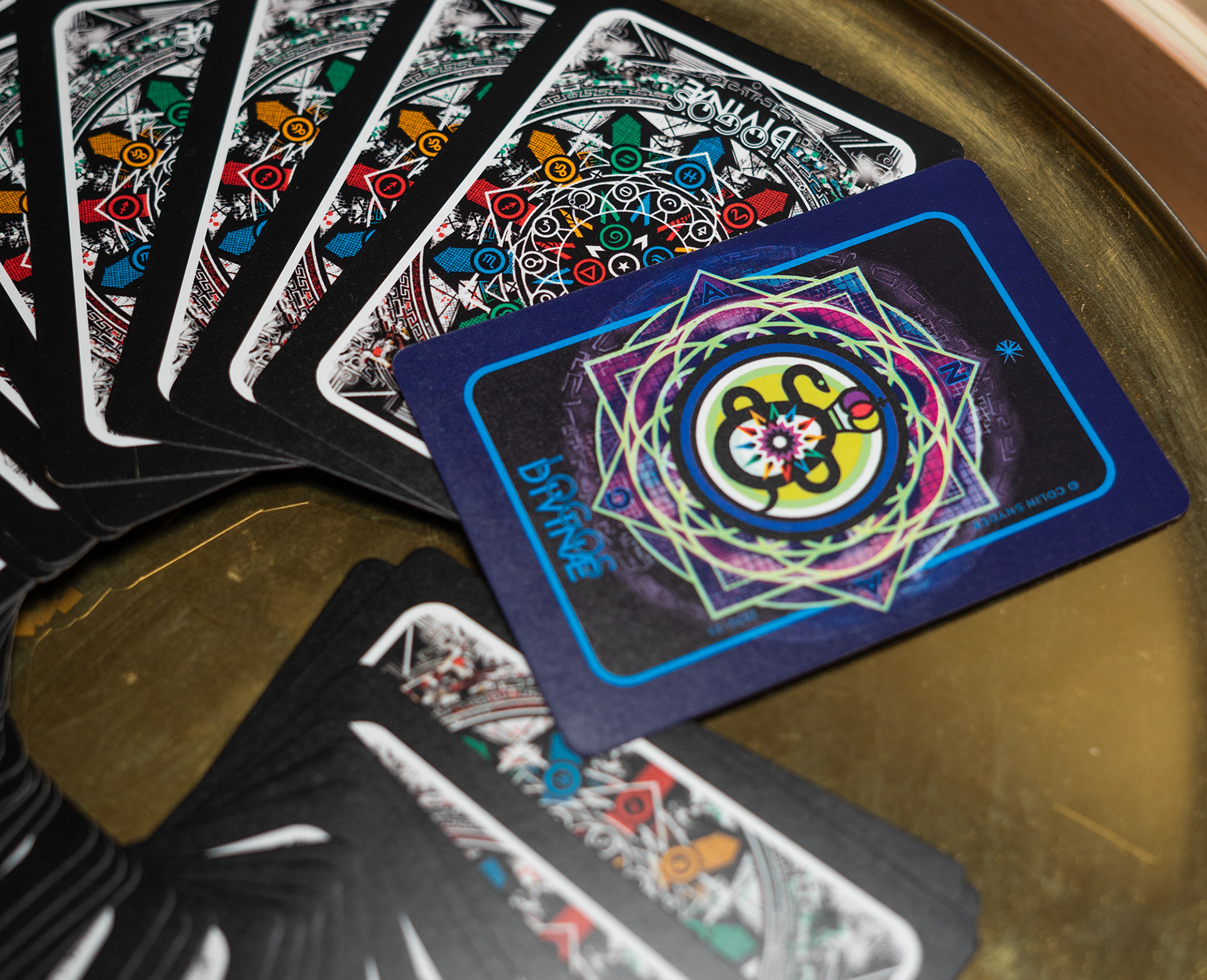
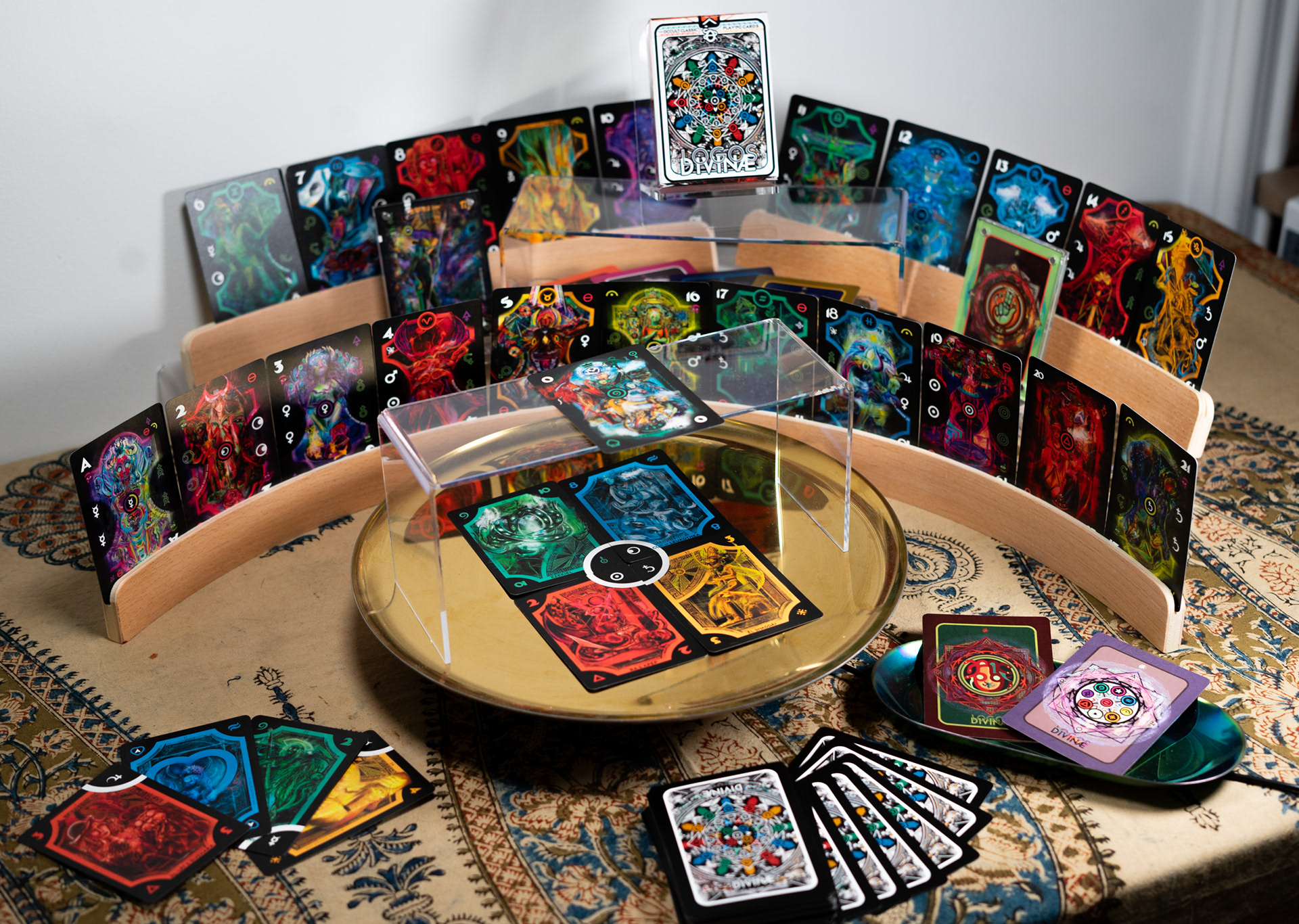
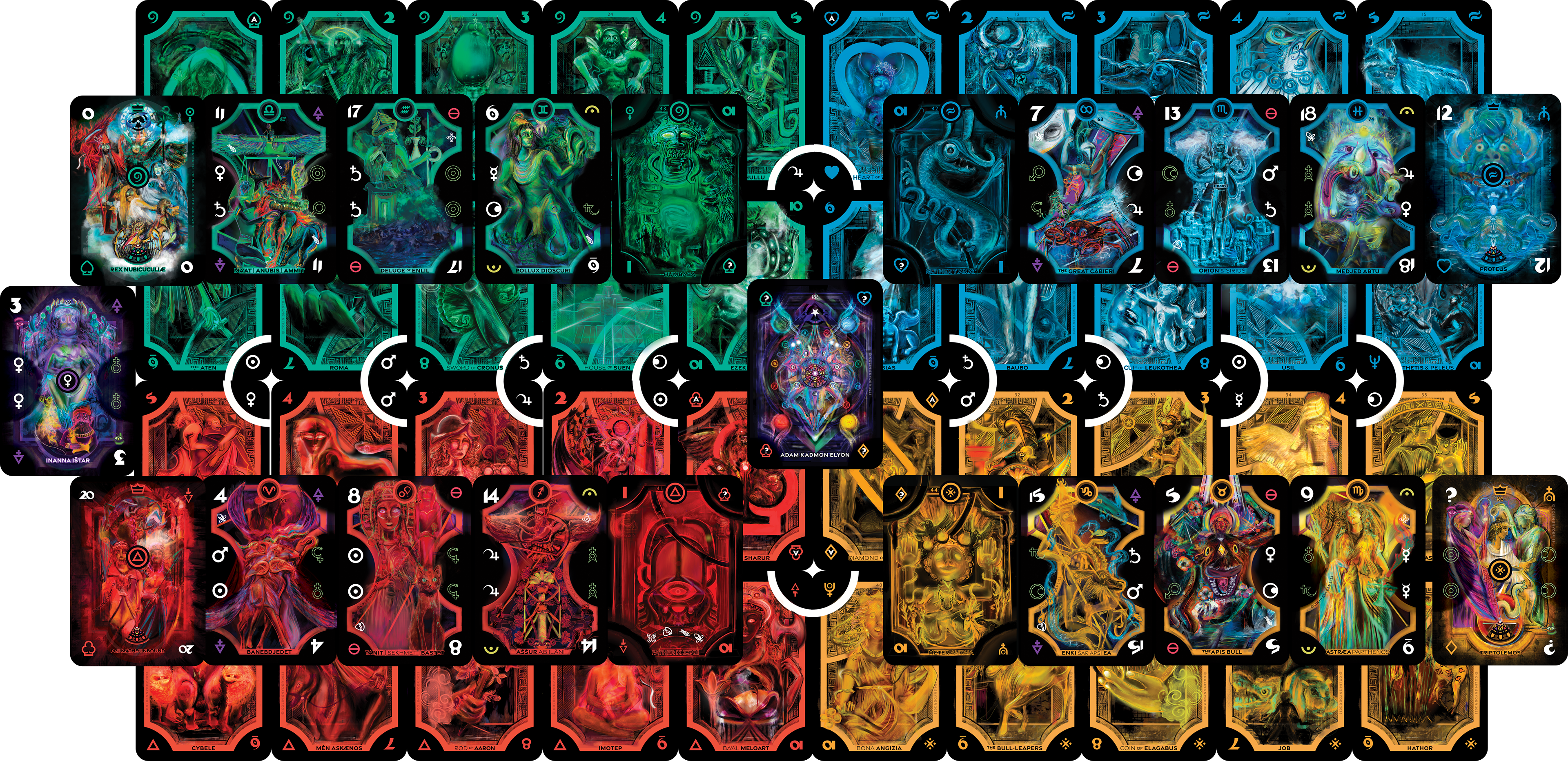
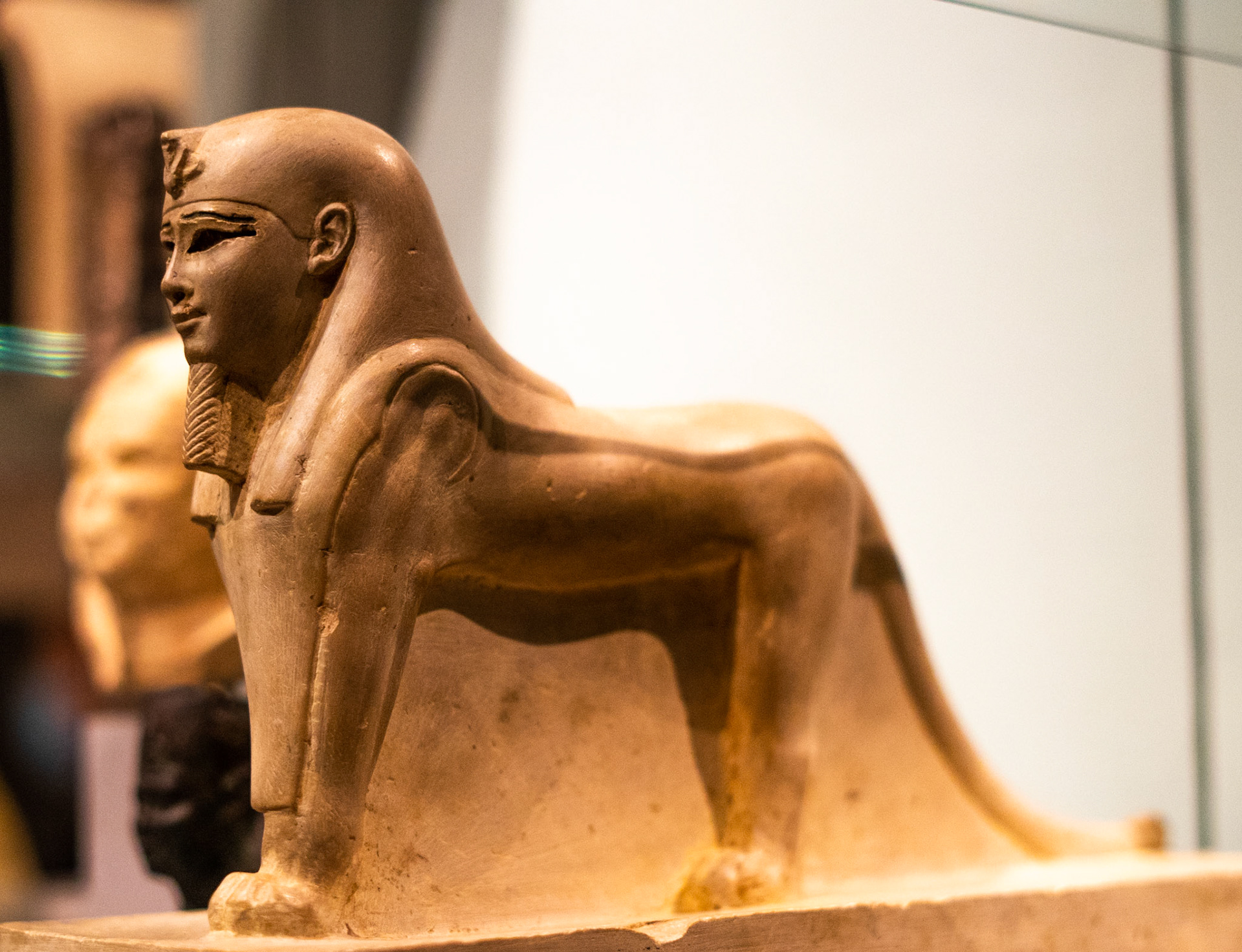
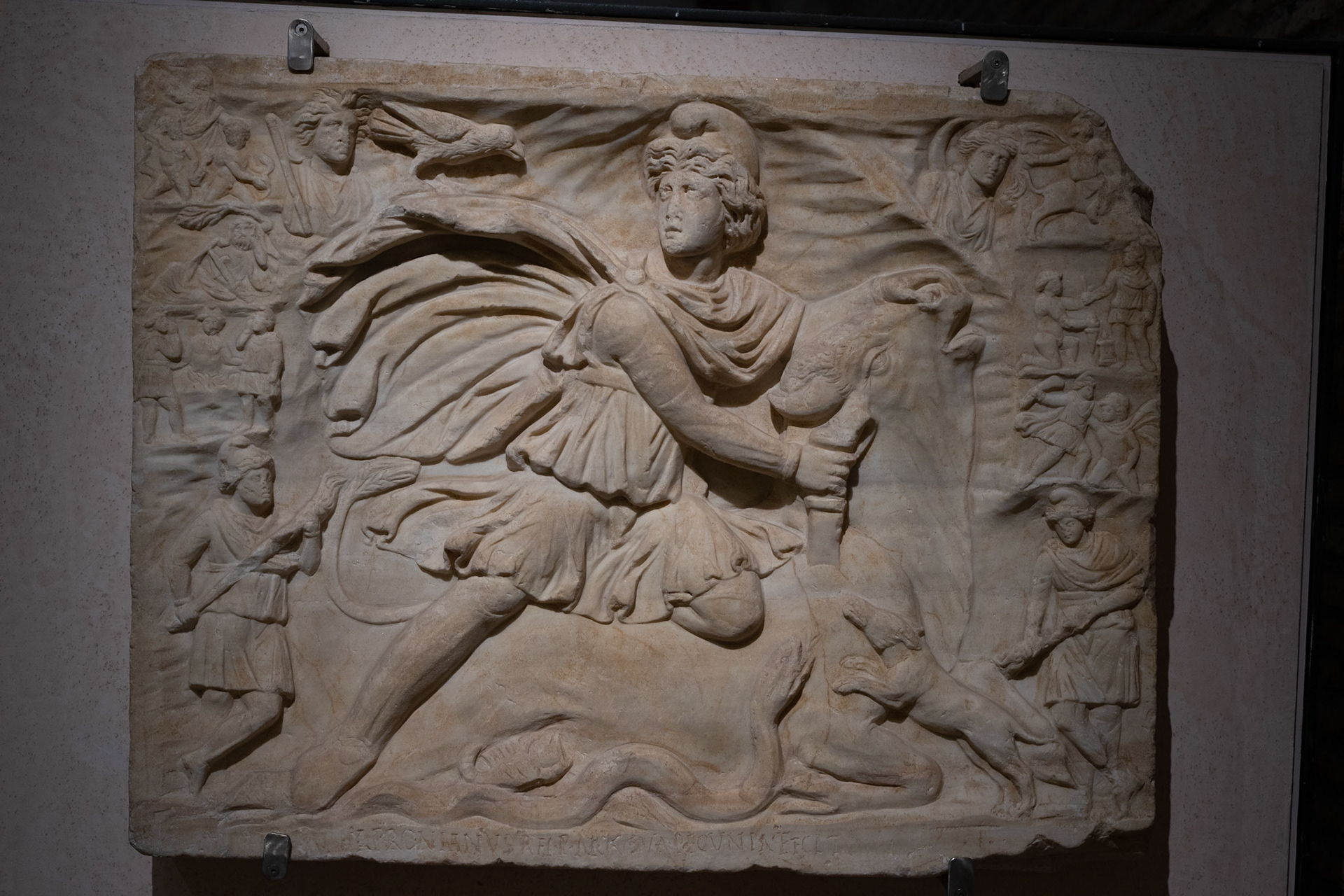
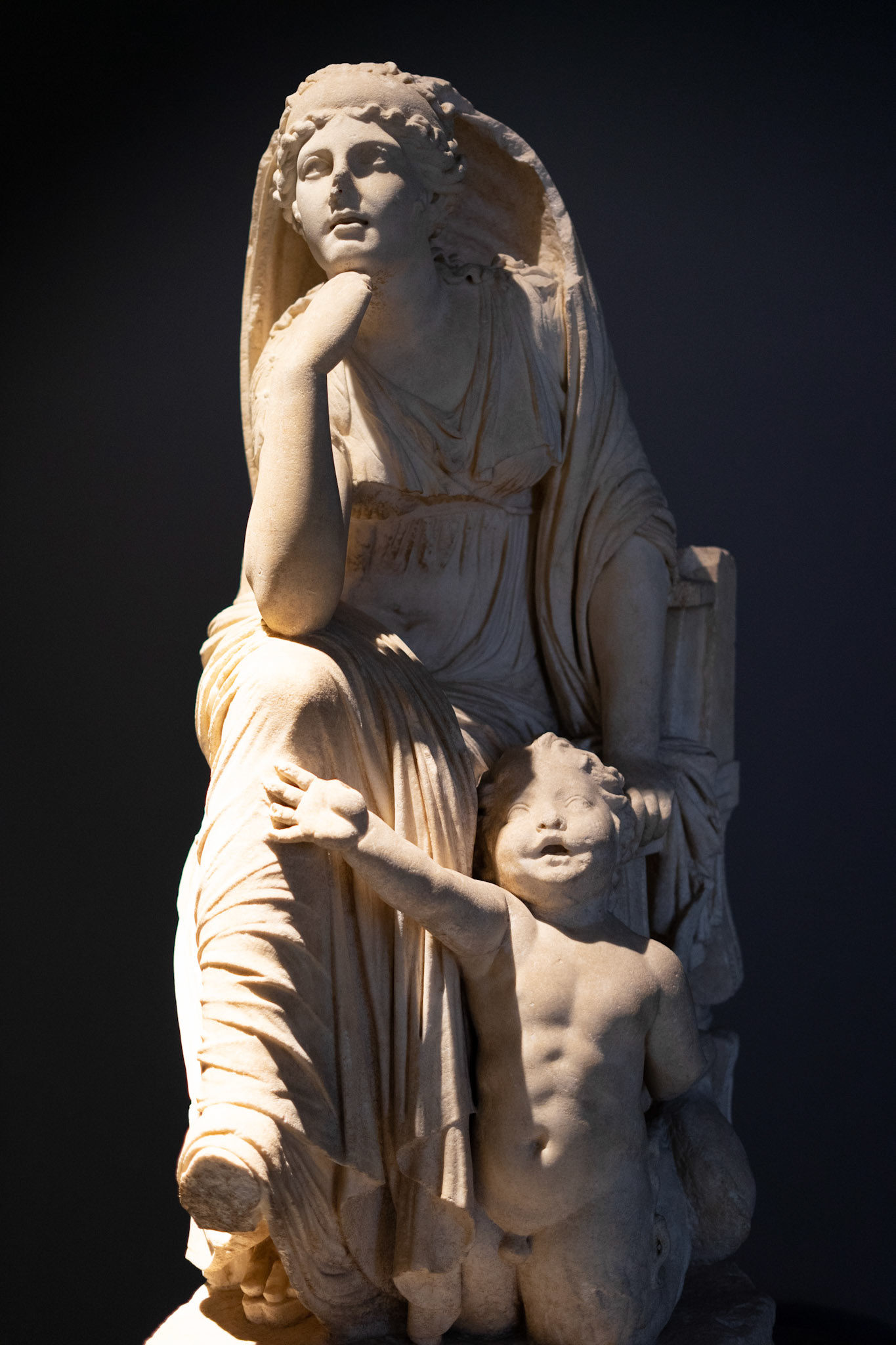
I painted 91 unique illustrations for this game over the course of many years. Most all of the artwork is based on real artifacts from antiquity, across a variety of cultures—when no visual tradition was available, I used the descriptions of literature, poetry, and myth to inform the painting. I travelled the world to find these source images, and learn about the gods and goddesses of the ancient past.
In addition to my DTC ecommerce operations, LOGOS DIVINÆ has appeared at conventions and markets—I've learned to move these cards through multiple sales channels, managing wholesale, consignment, and holiday pop-ups—I designed signage, displays, and promotional material for the game, sales sheets direct mailers, and order forms for customers. It's helped me learn to quickly adapt my messaging around the game, and address customer pain points and concerns adhoc.
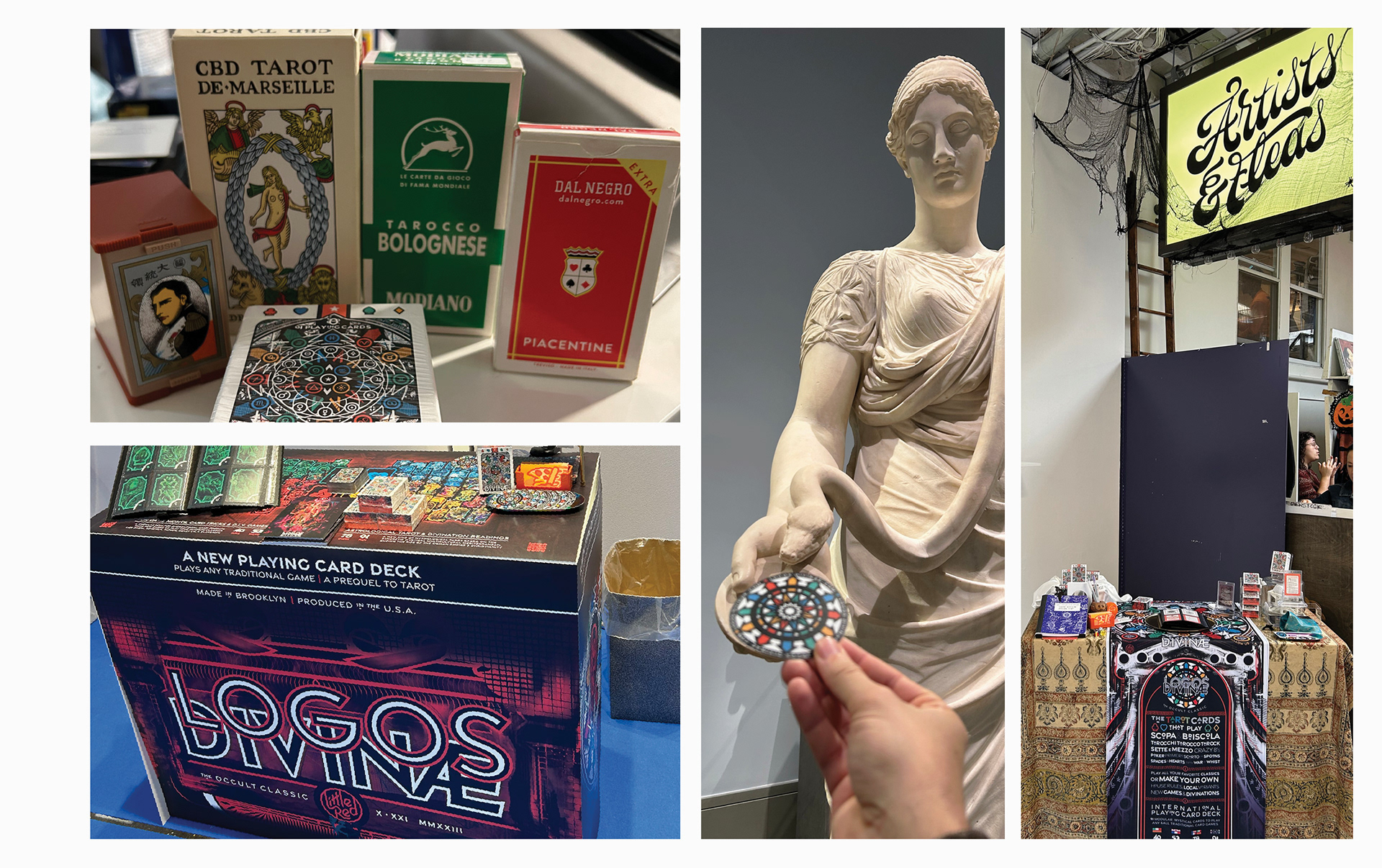
LOGOS DIVINÆ comes from a rich history of Italian playing card formats from the 14th century thru today, Japanese game design sensibilities, and the occult imagination of the Enlightenment Era. Displays and POS for our pop-ups and sales events.
We've even had special brand activations and art installations created in support of the deck, including a tarot reading performance at the Chashama Gala and Art Party in June of 2025. In the process of designing this game, I've learned a lot about the traditions and approaches to tarot reading, which became popular in the English-speaking world slowly over the past 300 years. Across multiple appearances and performances, my tarot reading installations and activations have proven to be popular and moving experiences for querents, some of whom have since become friends.
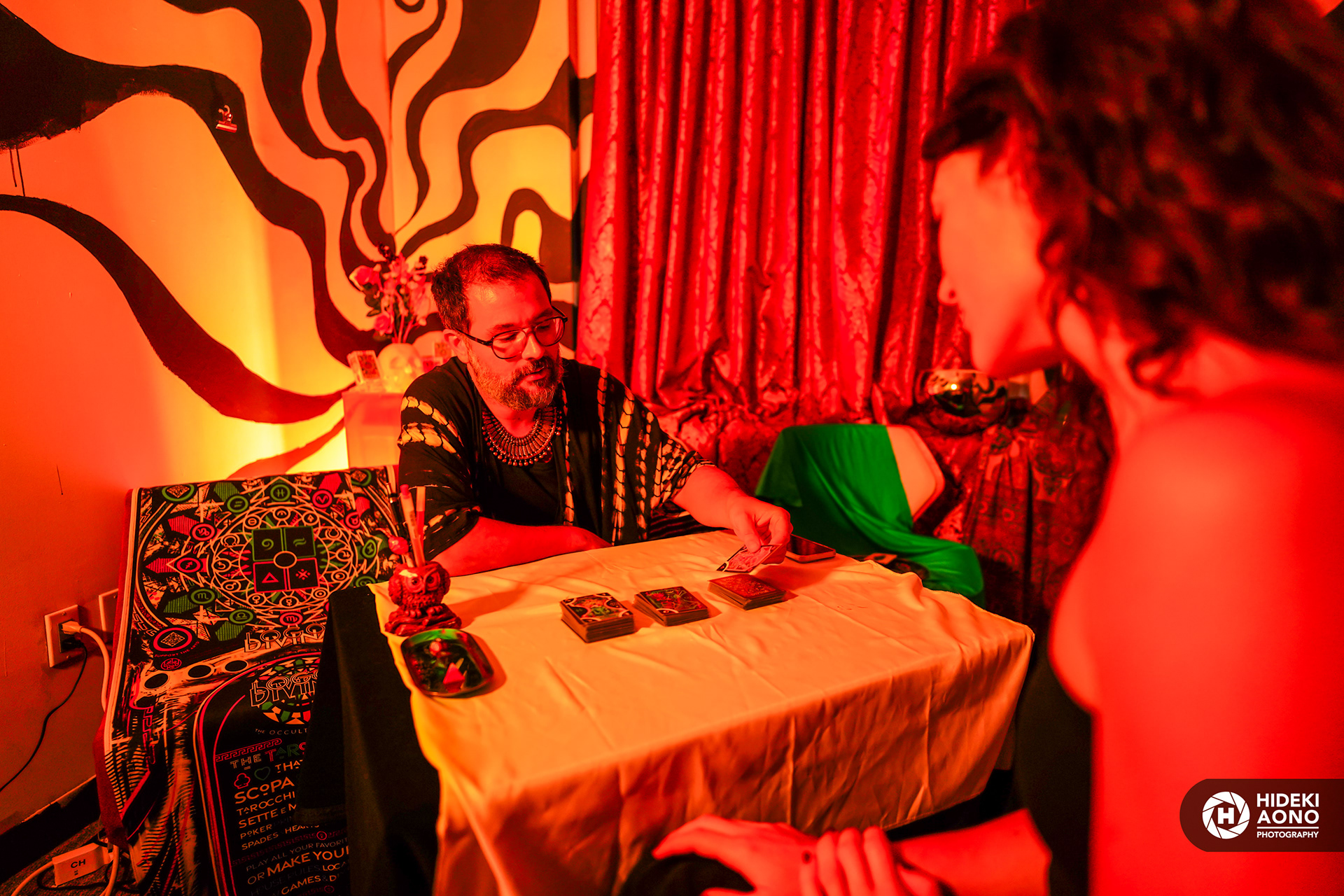
Photograph by Hideki Aono, 2025.
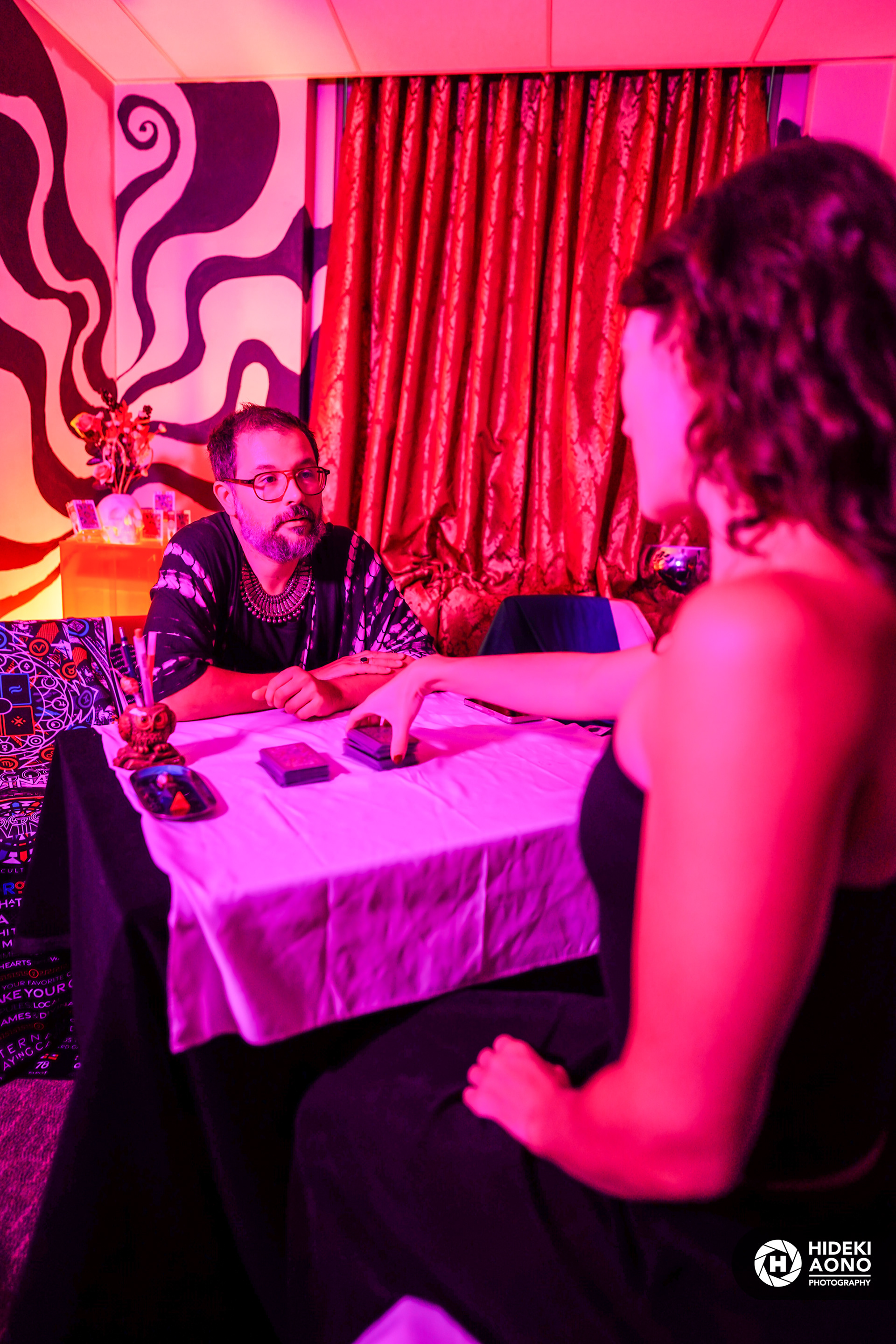
Photograph by Hideki Aono, 2025.
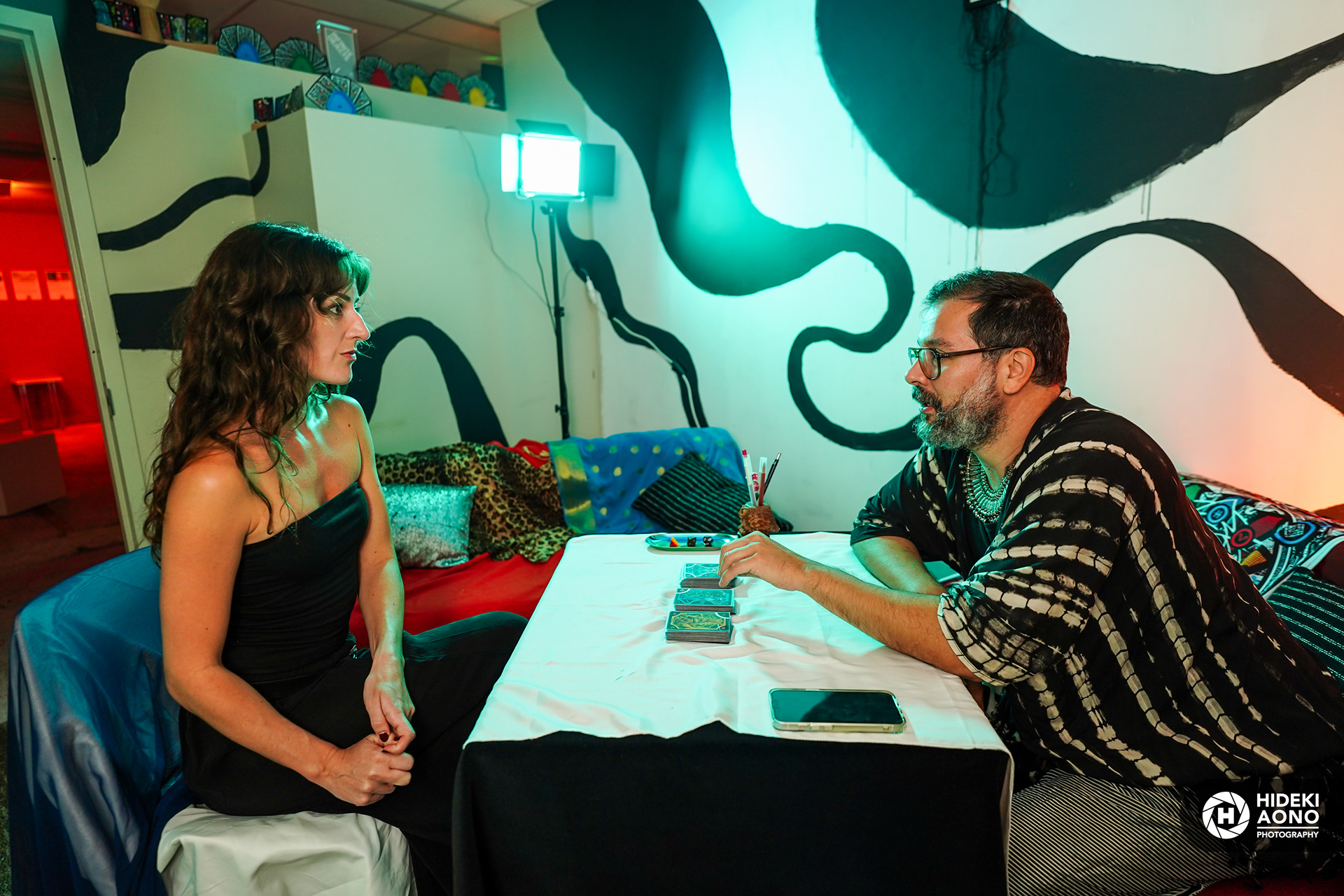
Photograph by Hideki Aono, 2025.
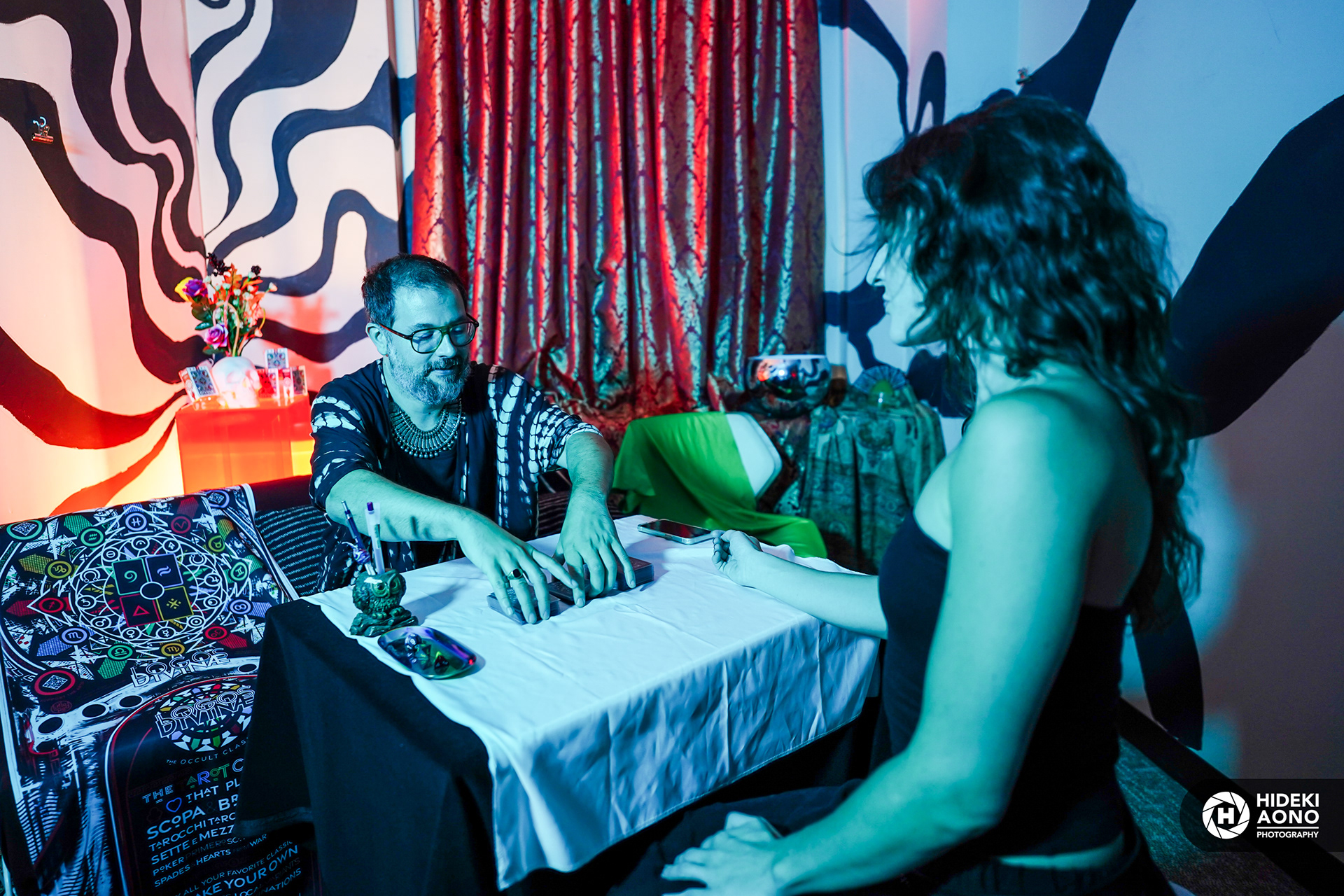
Photograph by Hideki Aono, 2025.
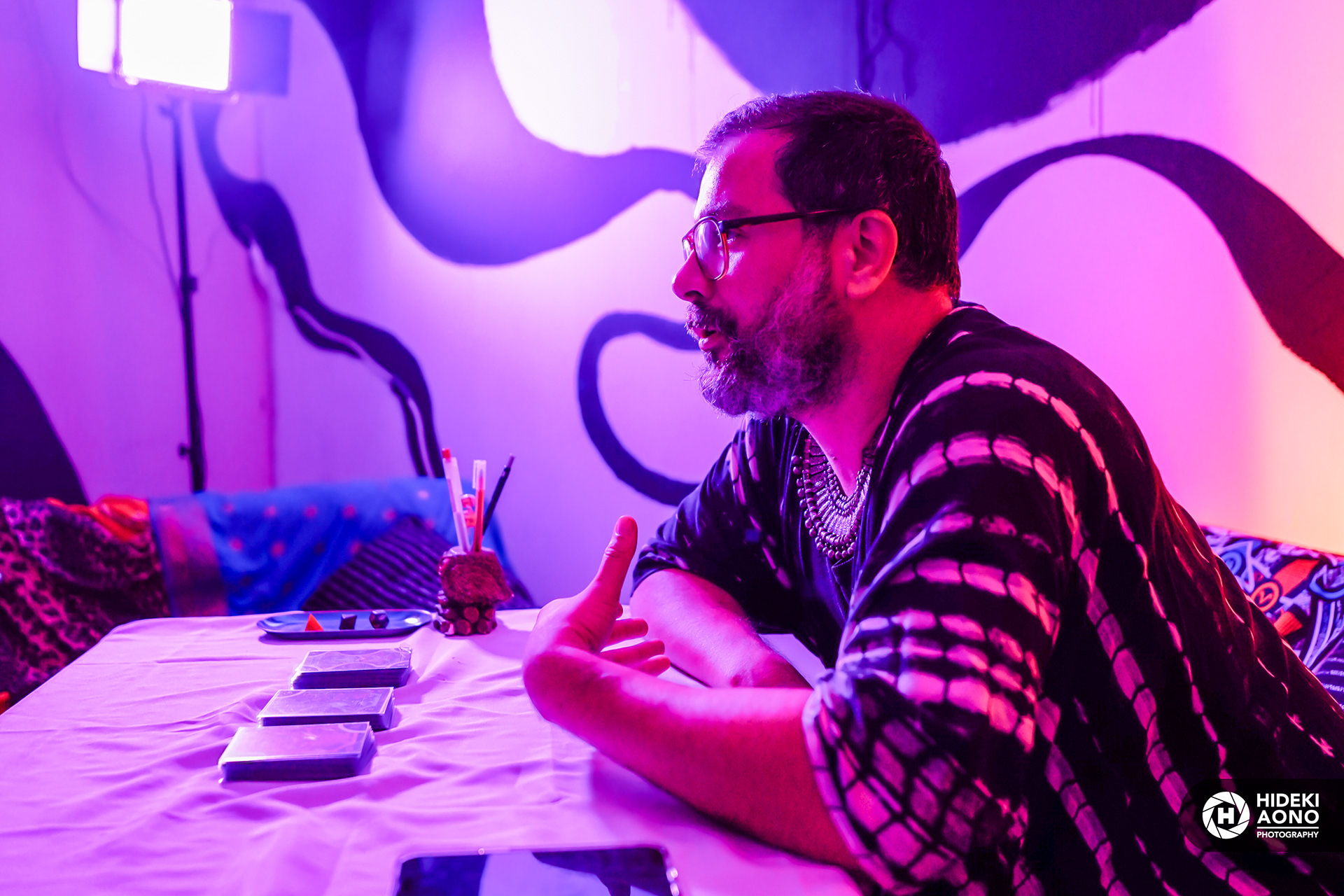
Photograph by Hideki Aono, 2025.
I had not expected when I set out to make this game—which began as a mythologically inspired collectible card game—became something that celebrates the entire history of playing cards, from their origins in Mamluk, Egypt, through their "expansion pack" sequel of Trionfi in the Italian Renaissance, and on to the occult systems invented by secret societies during the Enlightenment era—that I would become immersed in tarot reading as a practice, but herein lies the artistic intent of this work:
LOGOS DIVINÆ showcases how games model our beliefs, our sense of self, and the world around us. This game is a way to matroyshka in as much information about the ancient world as is possible in a pocket-sized, card deck. Whether you look to this game for advice, entertainment, or education, it's designed to provide hours of discovery.
LOGOS DIVINÆ showcases how games model our beliefs, our sense of self, and the world around us. This game is a way to matroyshka in as much information about the ancient world as is possible in a pocket-sized, card deck. Whether you look to this game for advice, entertainment, or education, it's designed to provide hours of discovery.
LOGOS DIVINÆ is an independent game by Colin Snyder.